Each year on May 15, the world marks the International Day of Families, a moment to recognise the central role families play in shaping societies and supporting the well-being of children. In 2026, the theme “Families, Inequalities and Child Wellbeing” reflects a growing reality worldwide, where families are facing increasing pressure from climate change, social inequality, and economic instability.
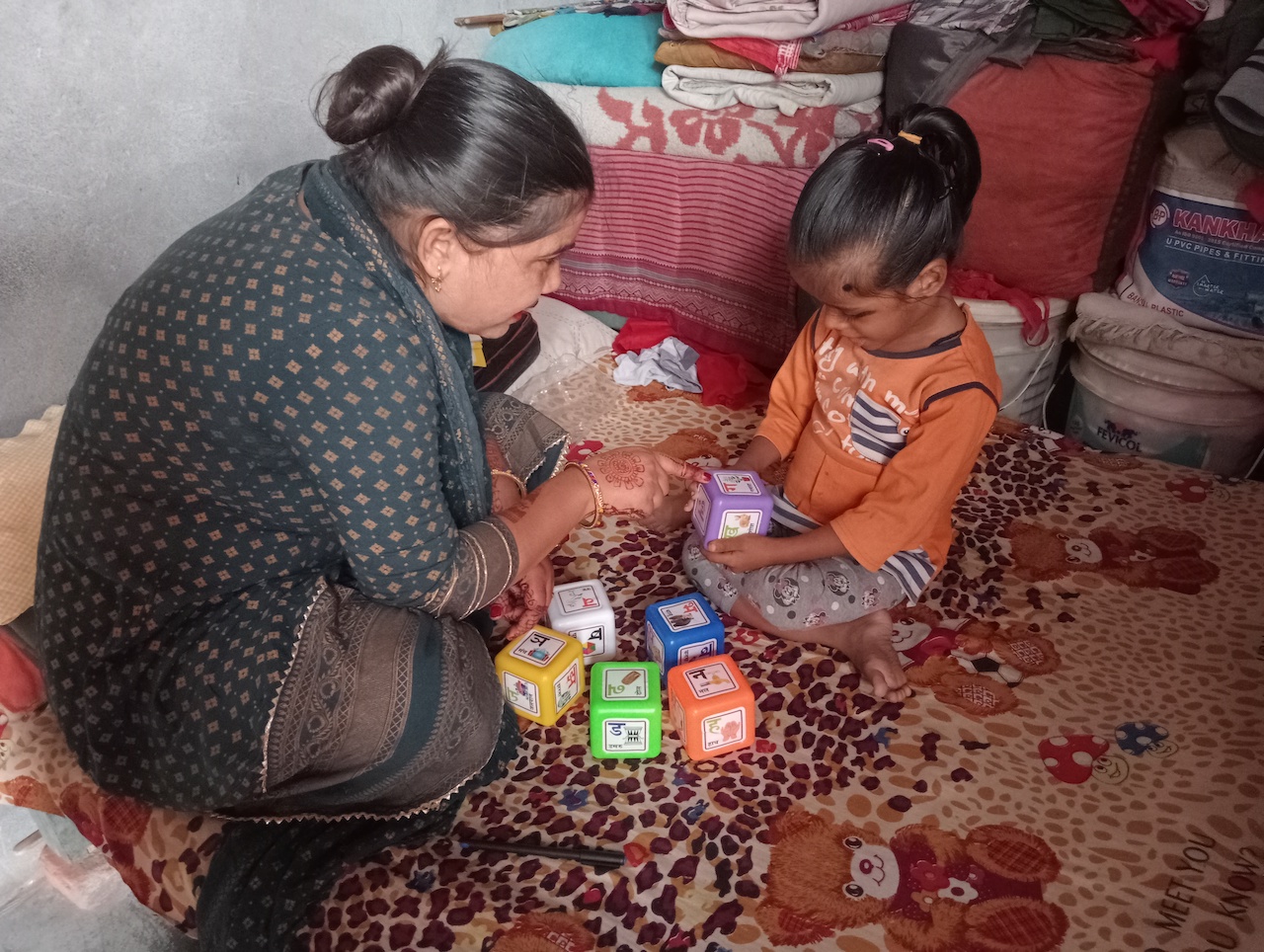
The UNICEF State of the World’s Children 2025 report points out that “millions of children are on the move, often as a result of crisis, yet they remain among the most marginalised and underrepresented groups globally.” These challenges are not abstract. They are lived daily by families working to secure food, access to healthcare, and keep children in school. From malnutrition to the impacts of a changing climate, children are often on the frontlines of crises they did not create. These conditions are not inevitable; they are shaped by unequal access to resources, services, and opportunities.
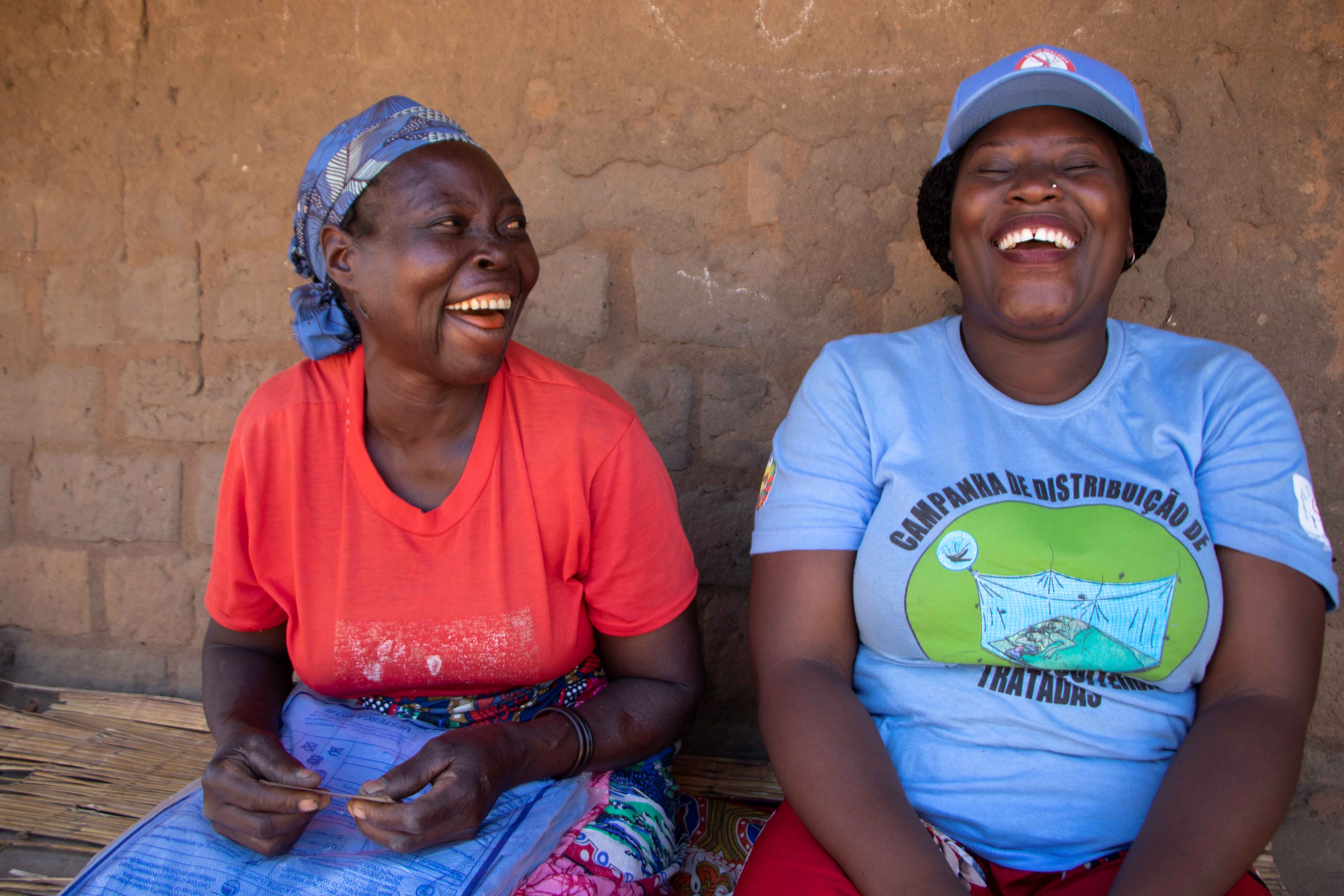
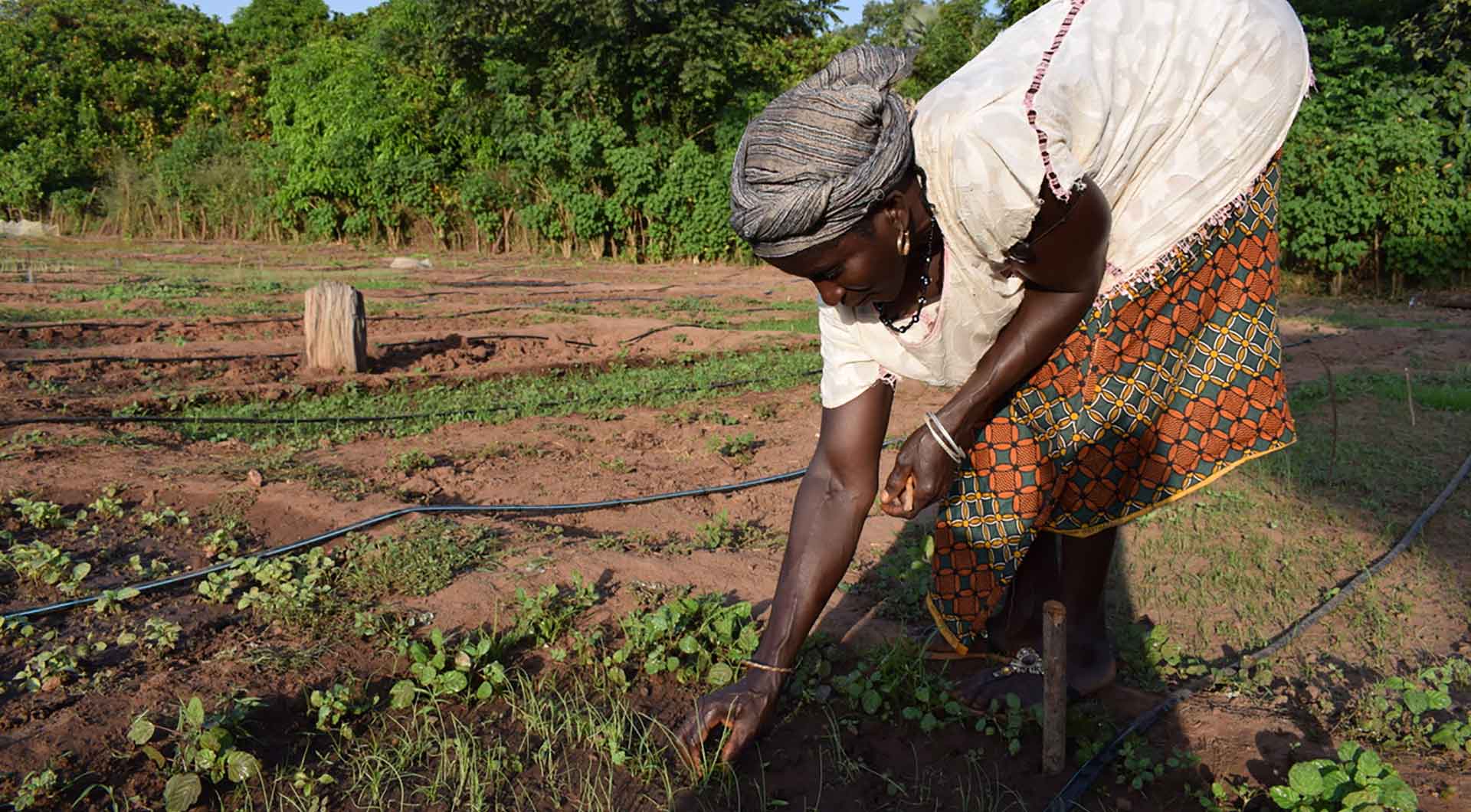
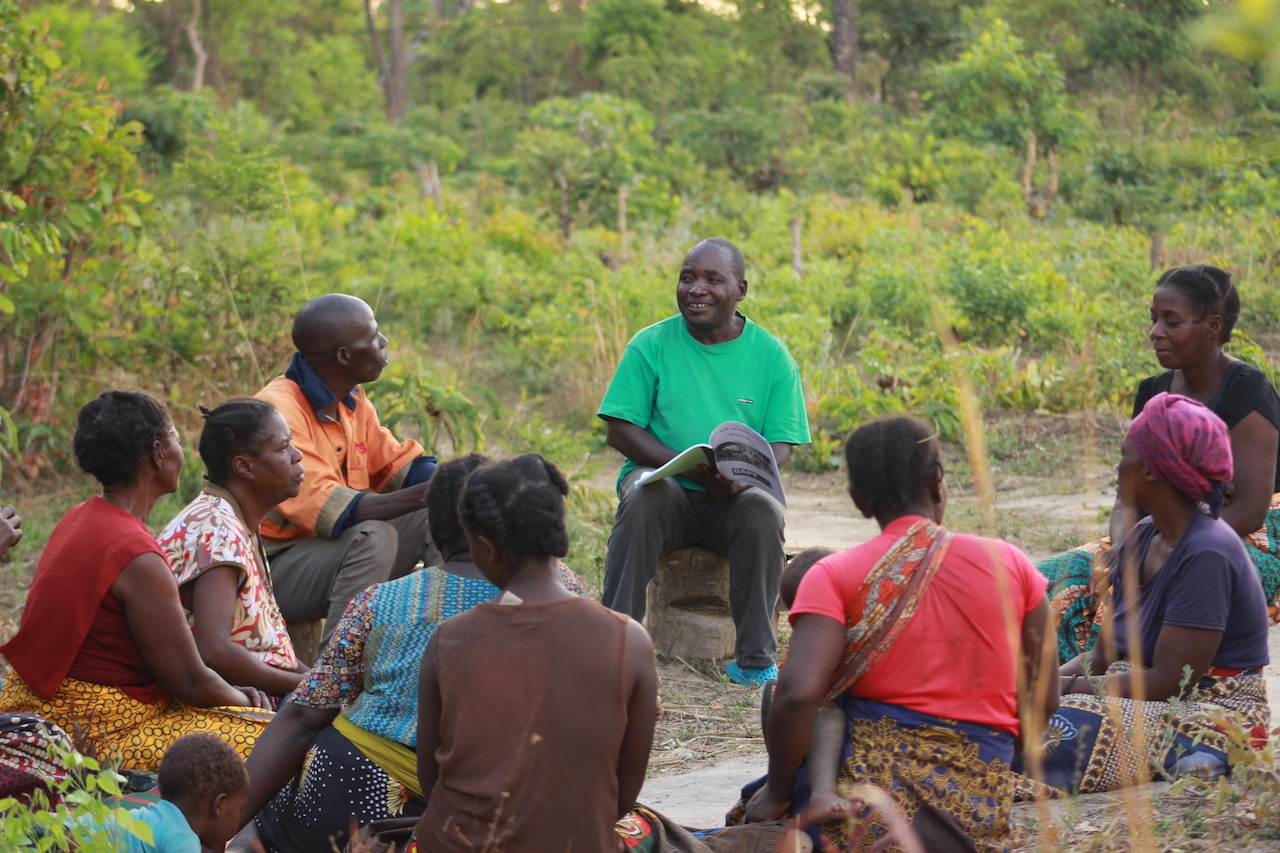
Across communities, families are not waiting for change to come from outside. They are organising, learning, and acting together to improve their lives. Families are growing food, starting small businesses, supporting their children’s education, and building stronger support systems within their communities. We know from decades of experience that when people come together to identify the challenges they face, discuss possible solutions, and take action, they begin to create sustainable development from within. This collective effort strengthens not only individual households but entire communities.
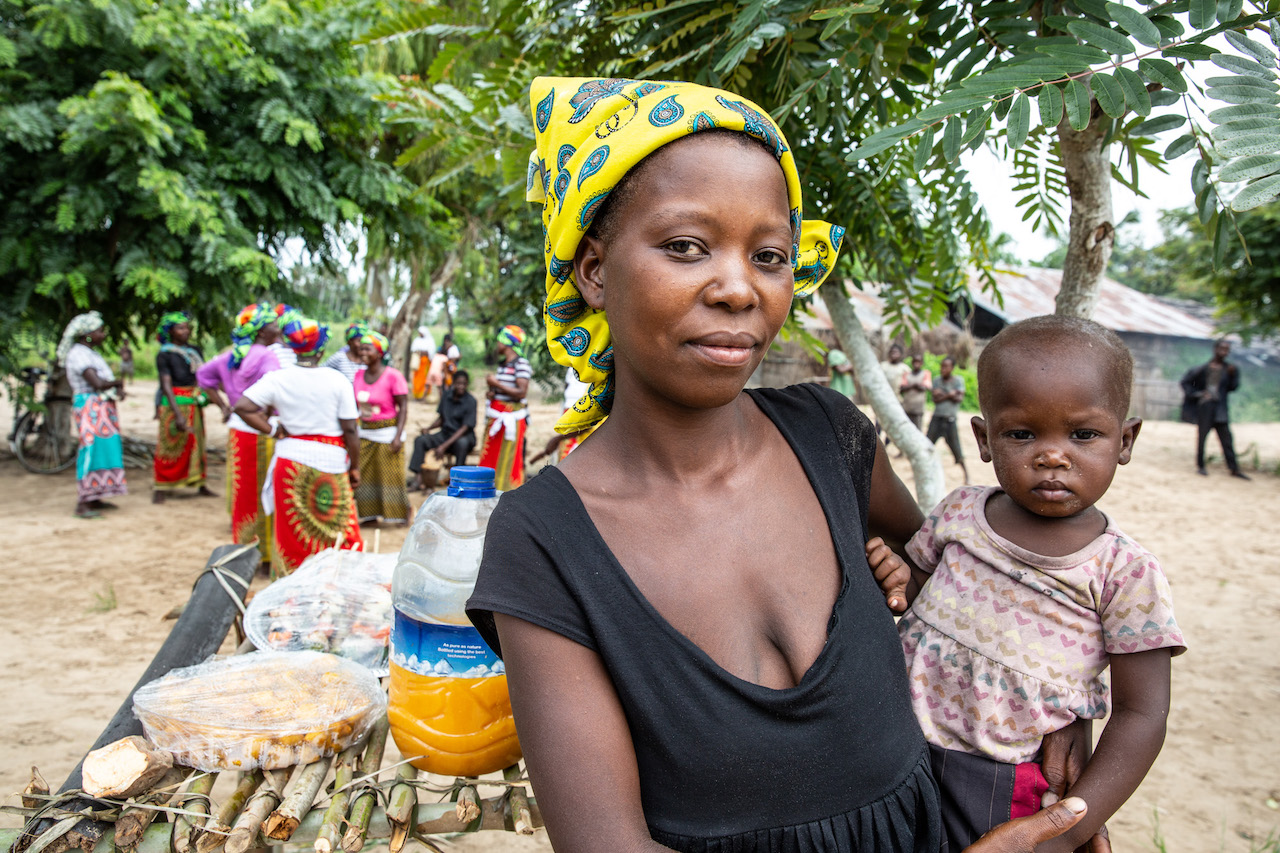
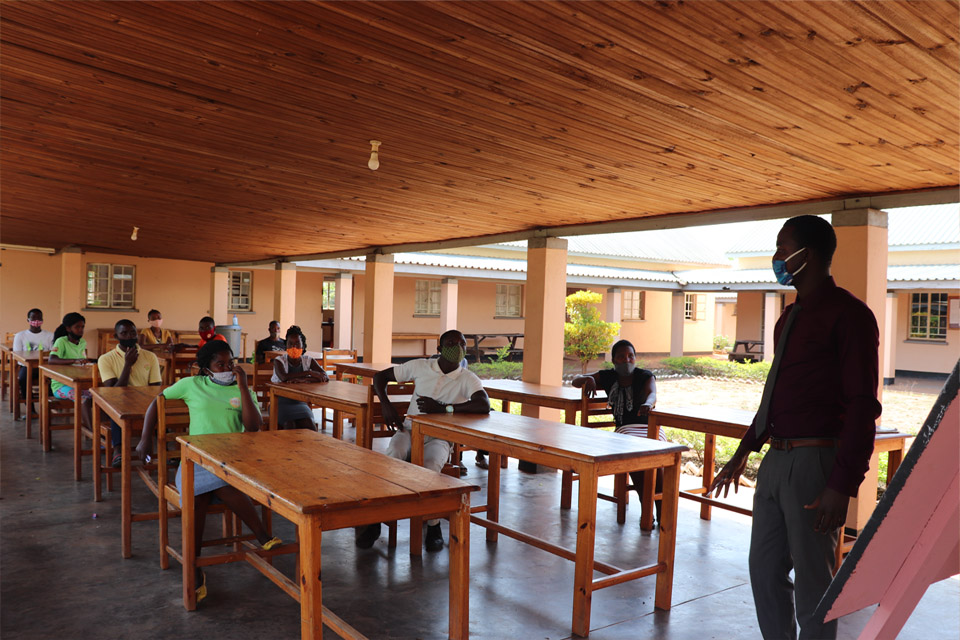
Humana People to People works alongside communities in this process, supporting families to take the lead in improving their own conditions. Through our community development programmes, people form Action Groups: local structures where families and individuals meet regularly, share knowledge, and organise activities that address their needs. These groups are not short-term interventions; they stay engaged over time, building skills, strengthening cooperation, building community cohesion and ensuring that progress is sustained.
In 2025, more than 116,000 families and over 772,000 people participated in community development programmes across 13 countries in the Global South where Humana People to People members operate. This reflects a consistent approach: development driven by people themselves, rooted in their realities and sustained by their commitment to change.
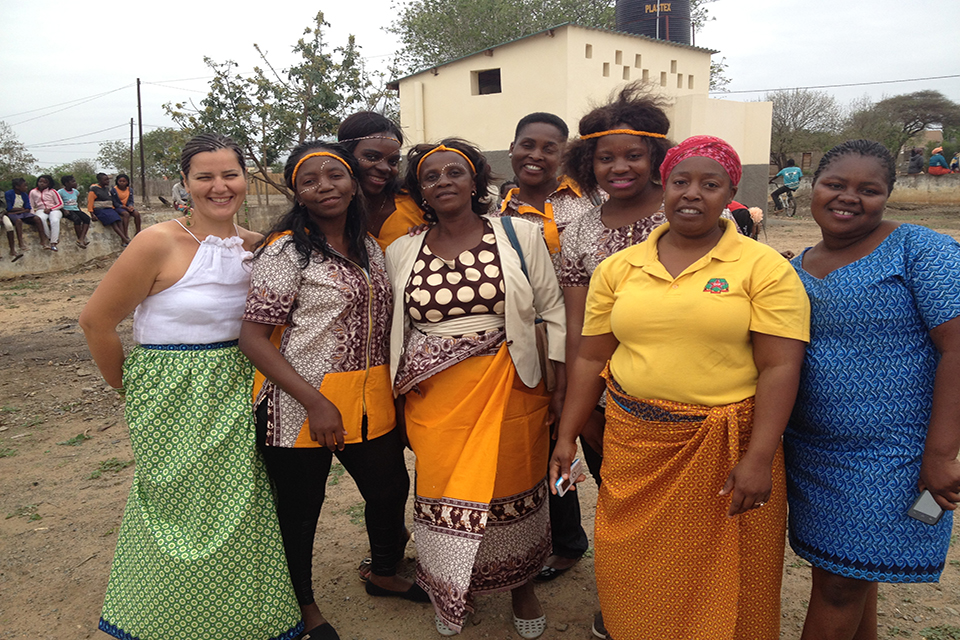
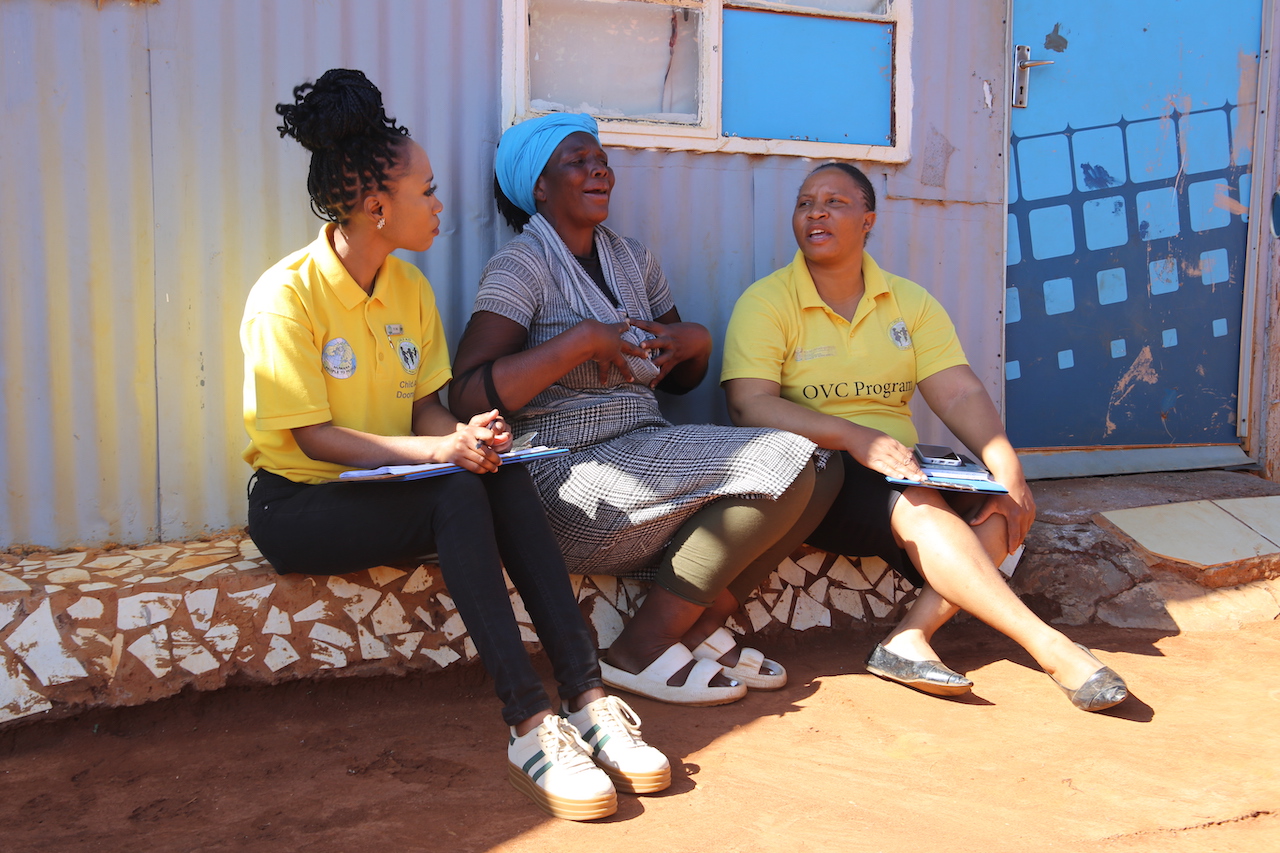
In South Africa, this approach can be seen through the Child Aid King Sabata Dalindyebo & Mogalakwena project, carried out by one of our members, Humana People to People South Africa. Over the past three years, families in two districts have been working together to create safer and healthier environments for children. More than 4,300 families have started income-generating activities such as home gardens, savings groups, and small-scale businesses, enabling them to better meet their children’s needs. Families are also taking part in health and environmental training, while children engage in in-school and out-of-school clubs that support their development. In 2025 alone, the project reached over 11,000 people.
For many families, change begins with small but meaningful steps. Nomsa Mkhize, who participates in the project, describes how joining a Village Action Group shifted her perspective:
“When I joined, I was hesitant. But through regular meetings and shared activities, I became part of a group. I learned how to grow food, improve nutrition, and work with others to solve problems. We are now supporting each other as families and improving our living conditions together.”
Her experience reflects a broader reality across many of our community development programmes, allowing families to discover their own capacity to act. Through collective effort, families strengthen their resilience, improve their children’s well-being, and build a more stable foundation for the next generation.
On this International Day of Families, the focus is not only on the challenges families face, but also on the actions they take every day to overcome them. Humana People to People and its members maintain their long-term commitment to supporting families as they shape their own development. By supporting people to organise, learn, and act, we contribute to a future where families are not defined by inequality, but by their ability to drive lasting and sustainable change in their own lives and communities.