We are excited to announce the recent launch of The Socio-Economic Impact of Second-Hand Clothes in Africa and the EU27+ report for Humana People to People and Sympany+ on the 9th of October 2024. The report is made by the Oxford Economics – a key adviser to corporate, financial and government decision-makers and thought leaders.
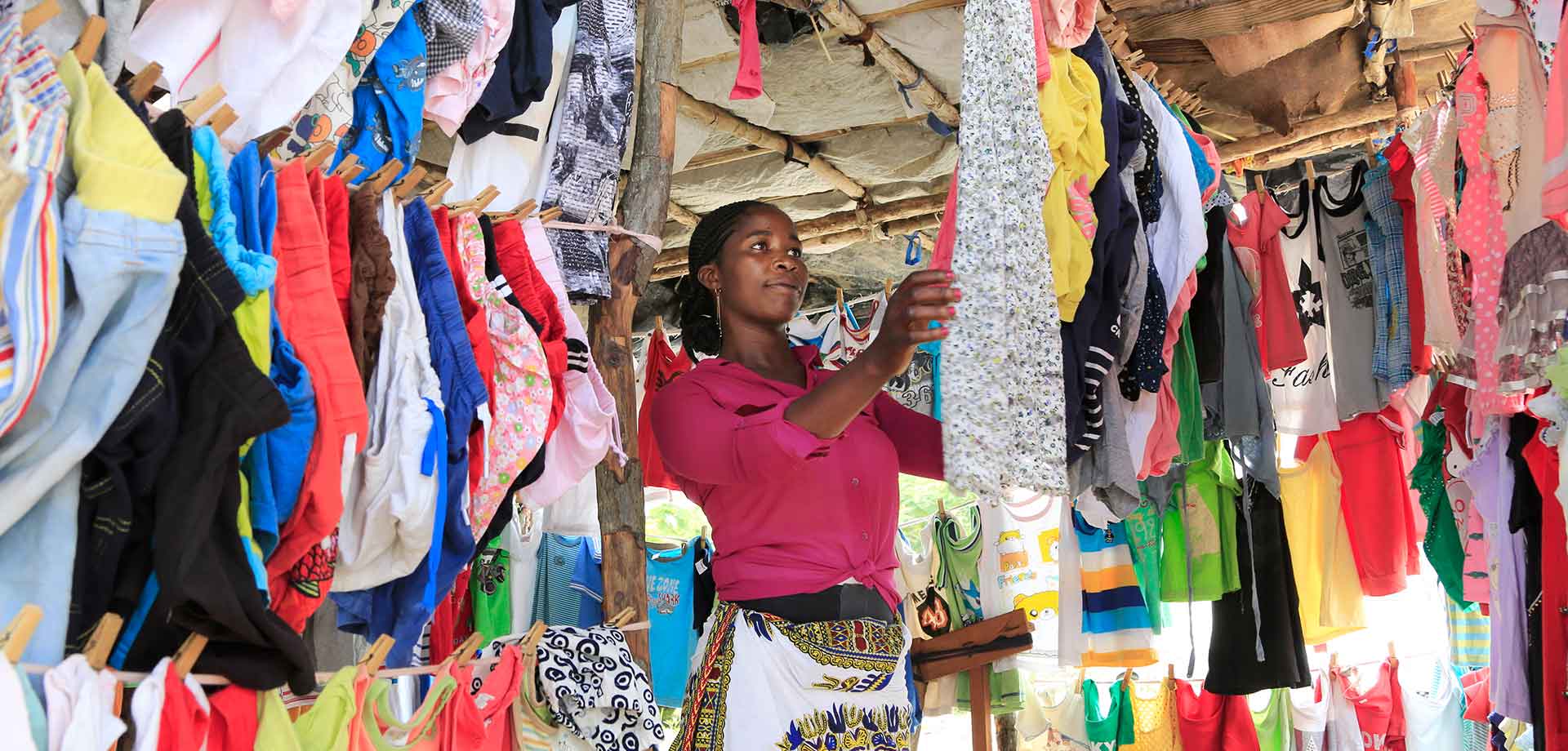
We commissioned the report jointly with Sympany+ aiming to quantify the socio-economic impacts of the second-hand clothes (SHC) industry. More specifically, it analyses the socio-economic impact of the SHC industry in the European Union and the United Kingdom (EU27+), as well as in three selected African countries: Ghana, Kenya, and Mozambique. Utilising a comprehensive multi-method approach—including literature review, expert interviews, quantitative surveys, trade data analysis, and qualitative fieldwork—the study offers an in-depth understanding of the value chain, its socioeconomic impacts, and the policies shaping the industry.
On the 9th of October 2024 at the launch of the report, there was a presentation made by Johanna Neuhoff, Economic Consulting Director at Oxford Economics which was followed by a panel discussion on the implications of the sector’s strategies on sustainable development, trade and circular economy. The panelists making the contributions were Philippe Doliger from EuRIC – The European Recycling Industries, Henrique Pacini from United Nations Trade and Development (UNCTAD), Marlvin Owusu from Ghana Used Clothing Dealers Association and Peter Lund-Thomsen from Copenhagen Business School.
Below is an extract of some of the key findings of the report:
“The SHC industry does not only significantly reduce the environmental impact of textile production but also has an underexplored socioeconomic impact.
By promoting garment reuse, extending apparel lifespans, and lowering the demand for new textiles, the SHC industry plays a pivotal role in reducing the environmental impact of textile production.”
The industry significantly lessens the environmental footprint of clothing items, with reused textiles requiring just 0.01% of water and saving about 3 kg of CO2 per item compared to the production of new clothing (European Recycling Industries' Confederation, 2023).”
We invite you to watch the full recording of the launch here: https://drive.google.com/file/d/10MTDqFSG-blfAyMLGieYG82BJSPbElz5/view
Download the the full report to explore further the findings here: https://secondhandclothingimpactreport.humana.org/reuse-report/