As the United Nations Framework Convention on Climate Change’s Committee of the Parties (COP31) conference unfolds from 9 – 20 November in Antalya, Türkiye, front-line communities in the Global South demand an end to empty promises: international climate commitments must translate immediately into survival and tangible protection from ecological collapse.
The new World Meteorological Organisation Global Seasonal Climate Update indicates that the developing El Niño is expected to peak around December 2026 and strengthen in early 2027, potentially becoming one of the most intense events in recent decades, as it builds on current climate change effects fueled by rising temperatures. A strong or "super" El Niño event significantly amplifies global temperatures and disrupts regional weather systems.
The most severe impacts of climate change fall heavily on the disadvantaged rural populations, who suffer from systemic resource shortages and limited coping capacity. In drought-exposed regions such as Southern Africa, erratic weather patterns, prolonged dry spells, and recurring crop failures threaten basic survival. Without localised organisational structures, smallholder farmers remain dangerously exposed to frequent climate shocks.
Addressing the complexity of the climate crisis requires a diverse set of strategies, including investment in large-scale green infrastructure, global and national policies that guide effective climate action, but also support for local communities to lead climate responses in their daily lives. Smallholder farmers still produce a third of global food, and up to 80% of what lands on tables across Sub-Saharan Africa and Asia. They are essential to human survival, especially in rural communities where life is dependent on farming.
Humana People to People acknowledges that, to strengthen local communities' capacity to cope sustainably with the effects of climate change, we must prioritise protecting rural communities most exposed to its harshest consequences.
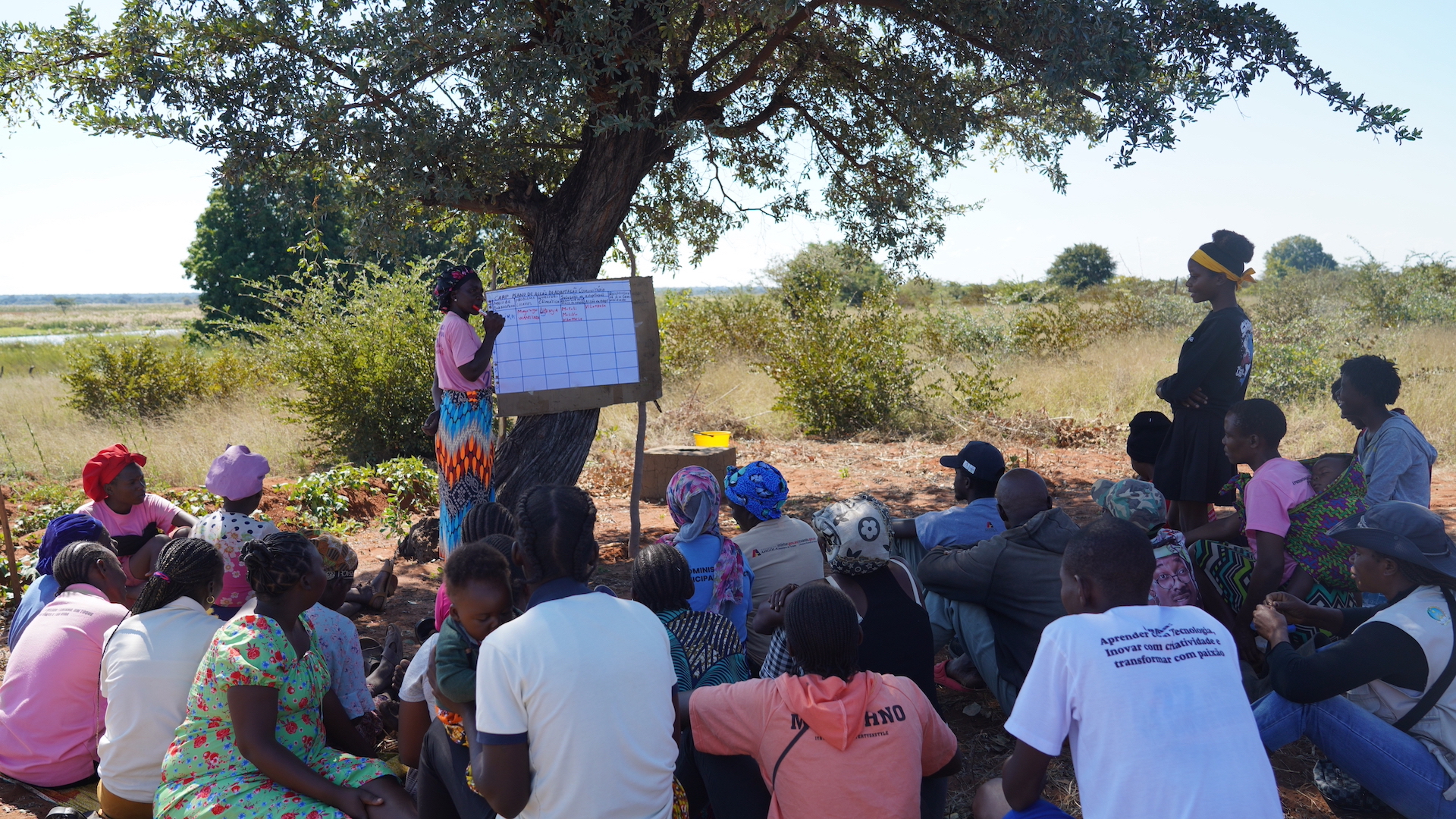
Locally led adaptation puts power in the hands of those affected, strengthening ownership and leadership. Yet, climate planning often lacks local engagement. That is why Humana People to People’s members target the last mile of adaptation planning. Humana People to People centres its climate action around a straightforward mandate: building local capacities for long-term climate resilience and adaptation. This means moving past short-term emergency relief into organised, sustainable community action. Key priorities include:
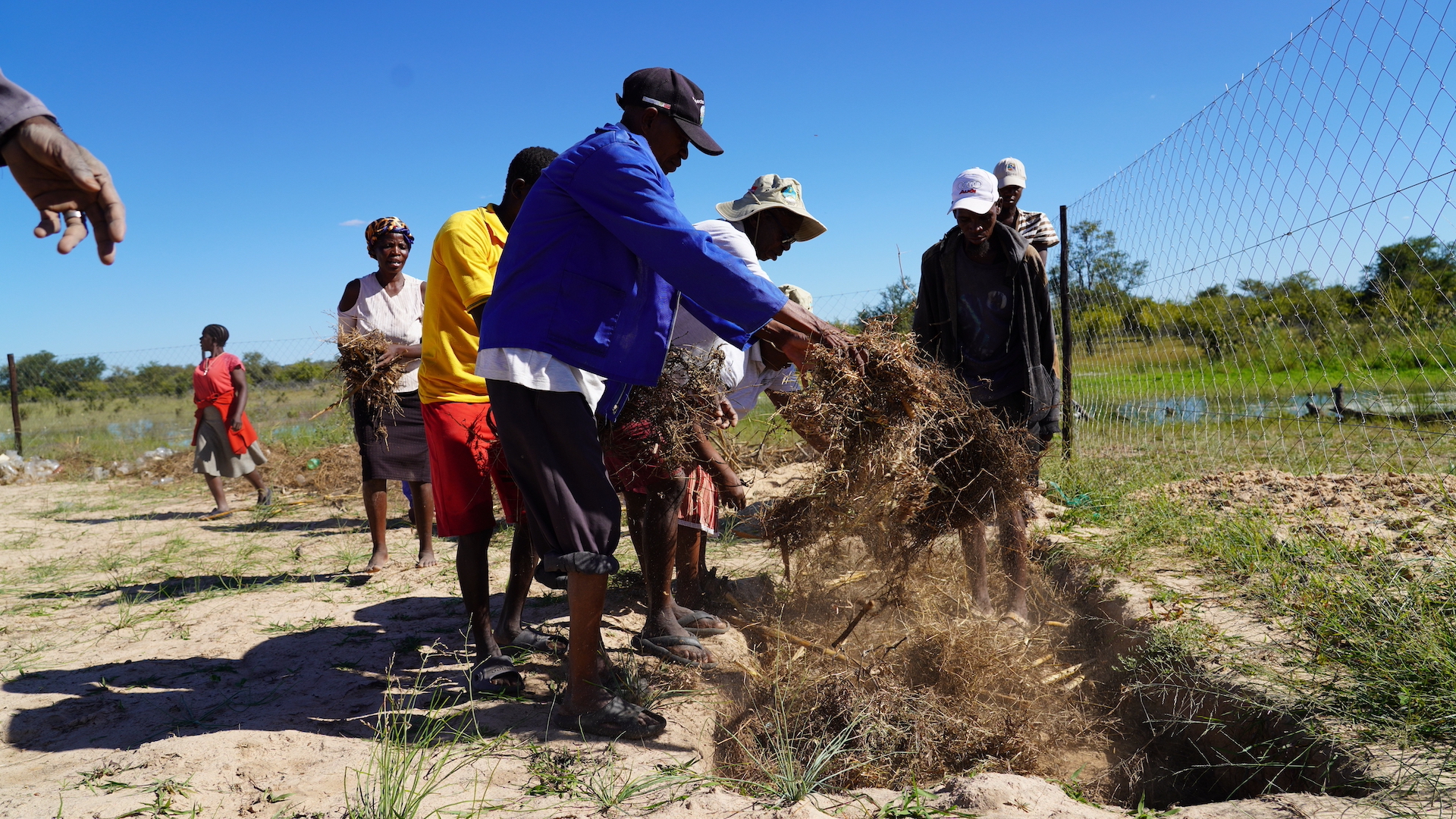
A shining example of this vision in action is the Resilience Building and Community Adaptation in Drought-Struck South-Western African Communities (ADSWAC) project implemented by the Sahara and Sahel Observatory in close cooperation with the joint local executing entities, ADPP Angola and DAPP Namibia, both members of Humana People to People, and financed by the Adaptation Fund.
ADSWAC targets more than 140 000 people living in communities facing the harsh conditions of climate change in the drylands spanning Cuando Cubango province in Angola and Kavango East and West regions in Namibia.
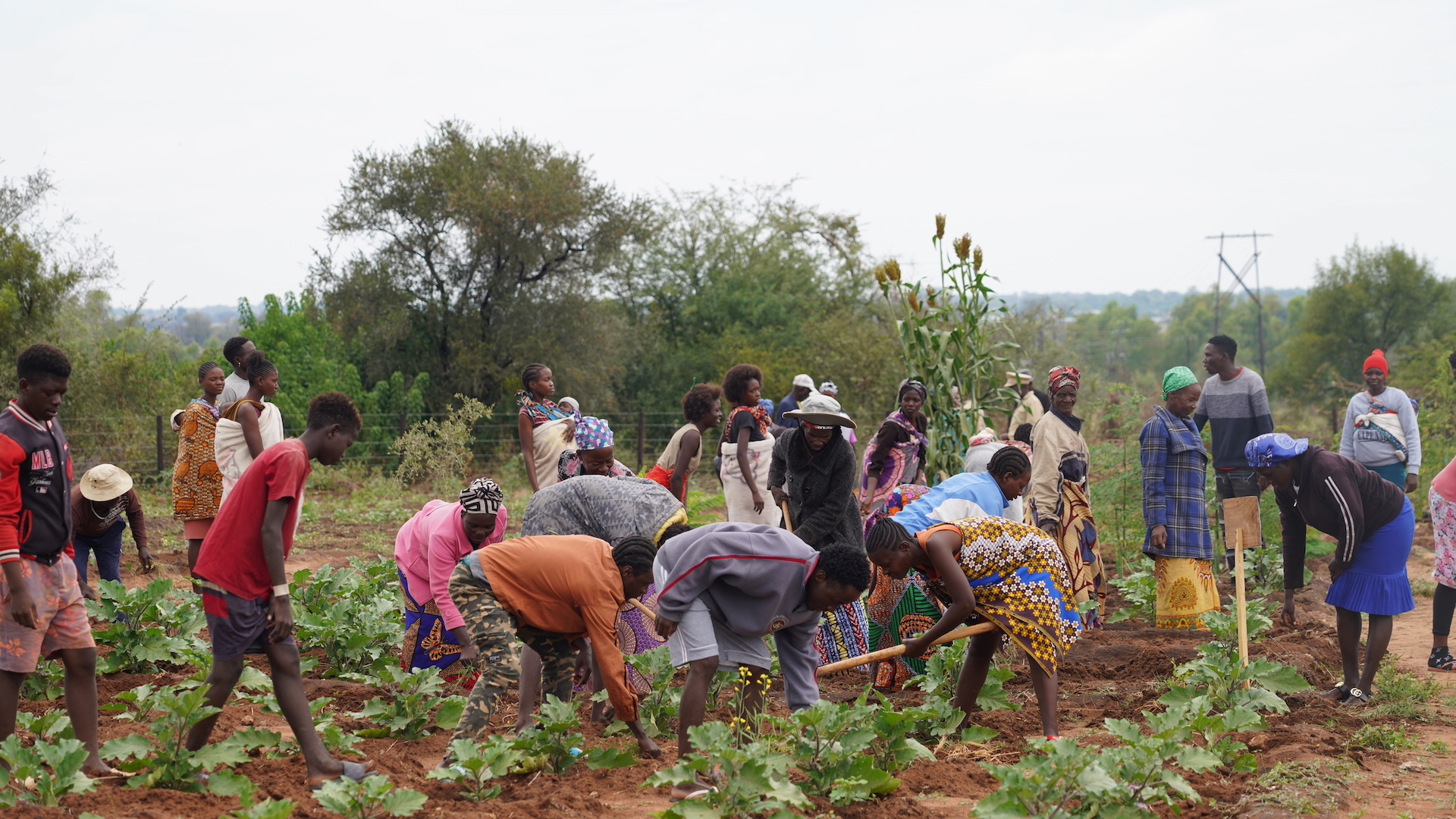
A recent ADSWAC film spotlights smallholder farmers, schoolchildren, youth, and women as they take practical action, undergo training, and adopt new concepts at home, supporting food security and environmental protection. Watch the ADSWAC Project short film documentary to appreciate what happens when people unite to protect their soil, families, and future.
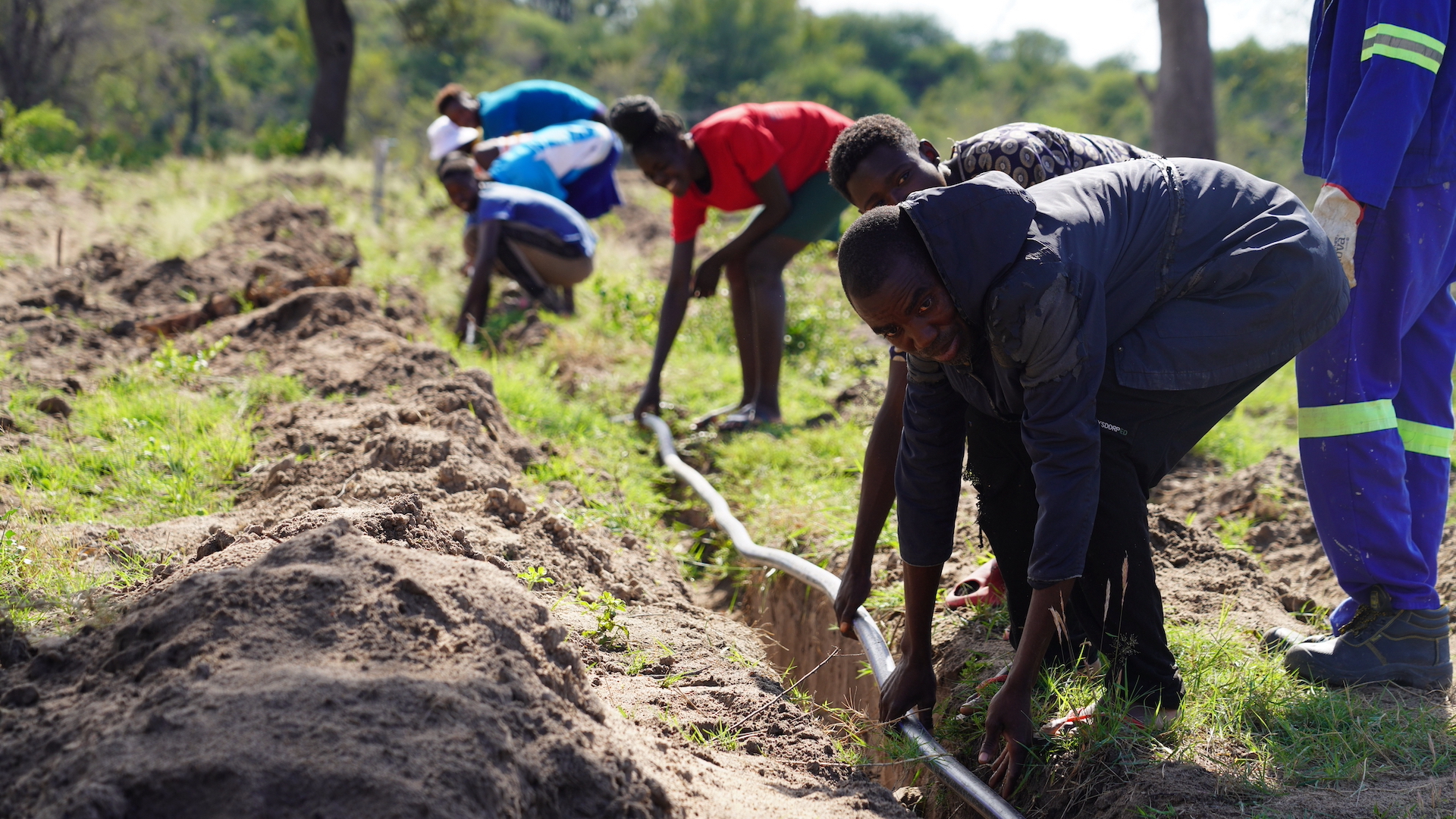
The project delivers a transformative, innovative smallholder farming approach that changes how communities interact with a hostile climate:
ADPP Angola and DAPP Namibia demonstrate that local communities’ climate resilience and adaptation are not merely a fall-back plan; they are the cornerstone of climate justice. By equipping rural communities with the tools, unity, and knowledge to adapt, ADSWAC shows how community leadership can turn the tide against the effects of climate change.