As we mark World TB Day 2026, worldwide, tuberculosis (TB) remains one of the most serious public health challenges. Each year, around 1.3 million people lose their lives to tuberculosis despite the availability of effective treatment and prevention.
According to the World Health Organisation, “in 2024, an estimated 10.7 million people fell ill with TB worldwide, including 5.8 million men, 3.7 million women and 1.2 million children.” These figures are a clear reminder that TB is not only a health issue but also a human and social challenge that affects families, communities, and livelihoods.
This year’s theme, “Yes! We Can End TB, Led by Countries Powered by People” sends a message of determination and hope. Progress has been made in the global fight against TB, yet new challenges continue to emerge. Drug-resistant TB is increasing in many parts of the world, requiring longer and more complex treatment. At the same time, inequality and limited access to healthcare continue to allow the disease to spread.
Tuberculosis is more than a medical diagnosis. It is about people. It is about individuals who face isolation because others fear infection. It is about stigma that keeps people silent when they need support and care.
For families, TB can bring sudden economic hardship. When a person becomes ill, their ability to work is reduced while new expenses arise. Even where treatment is free, transport costs, loss of income, food insecurity, and discrimination can create heavy burdens for households. These challenges often delay diagnosis, interrupt treatment, and reduce the chances of recovery.
To win the fight against TB, communities must be at the centre of the response because they are the ones who can identify people with symptoms earlier, support patients throughout treatment, and challenge the stigma that remains a major barrier to care.
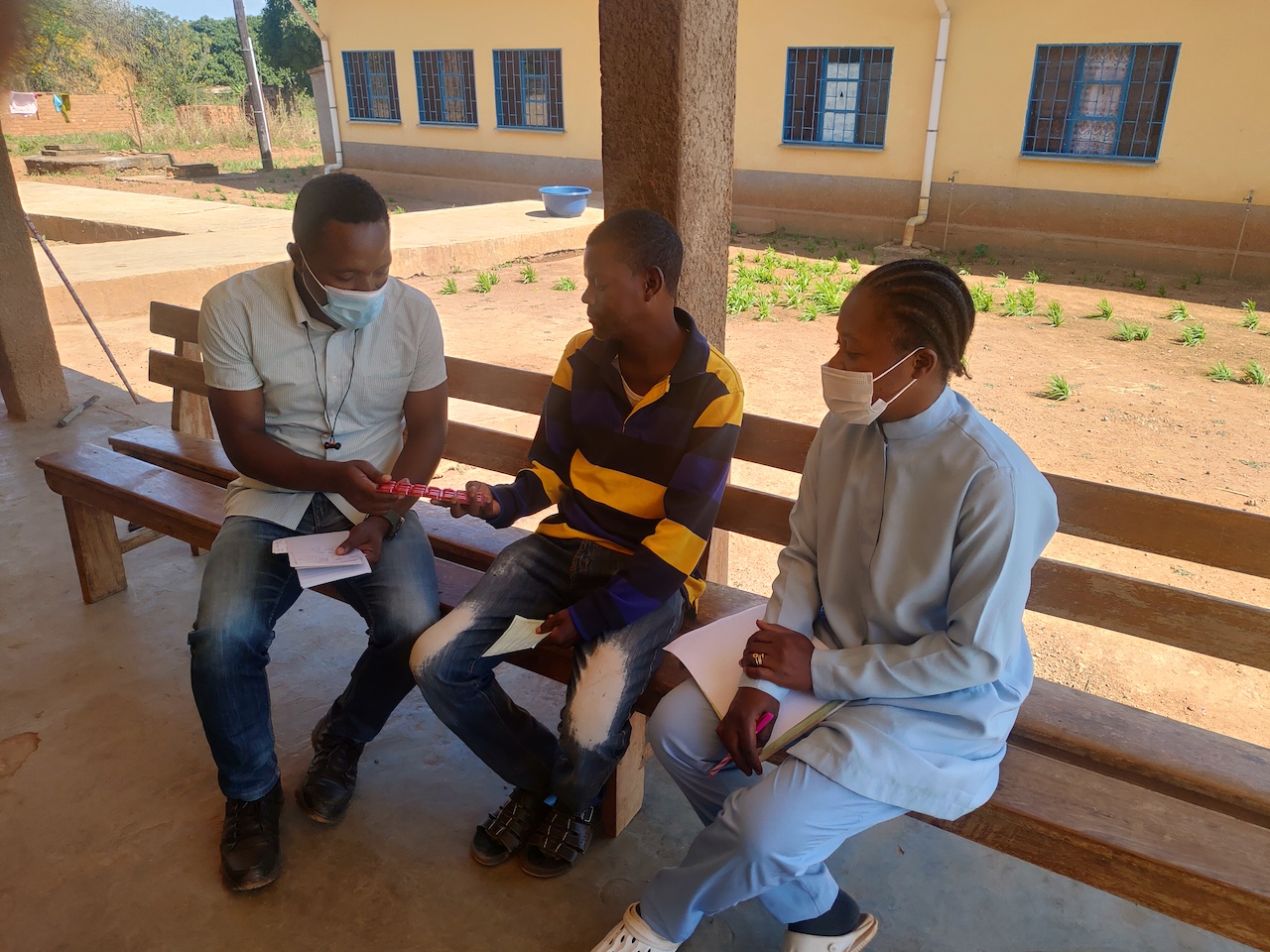
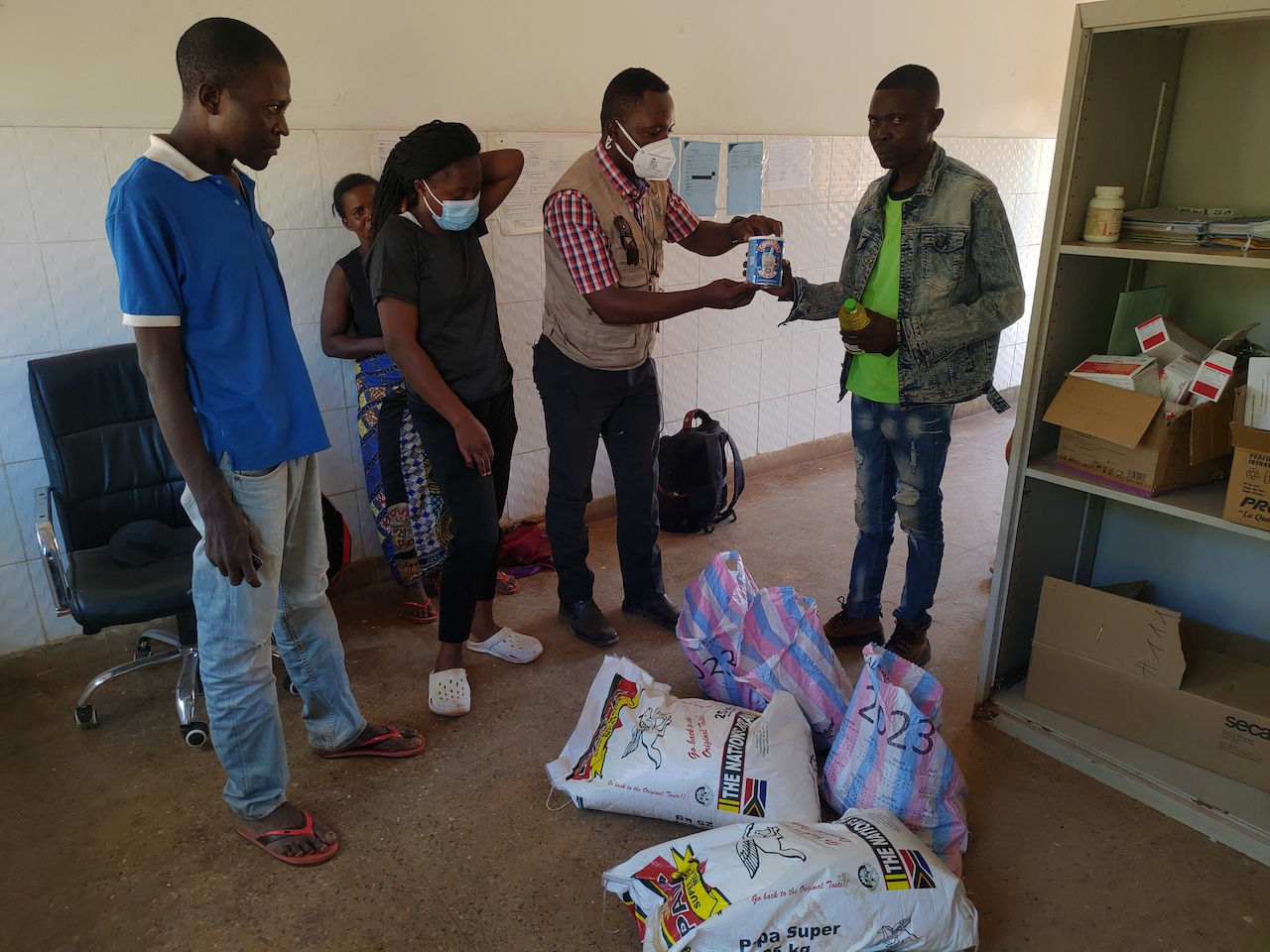
Humana People to People, together with its members, believes in the slogan: only people can liberate themselves from the epidemics. We see communities as partners and leaders in the fight against TB. Through community outreach, we support people from diagnosis, linking them to health services and supporting them through treatment to recovery. A key part of this approach is the formation of TRIO support groups. These groups provide encouragement, practical assistance, and integrate nutrition support, strengthening treatment and supporting people on their path to recovery.
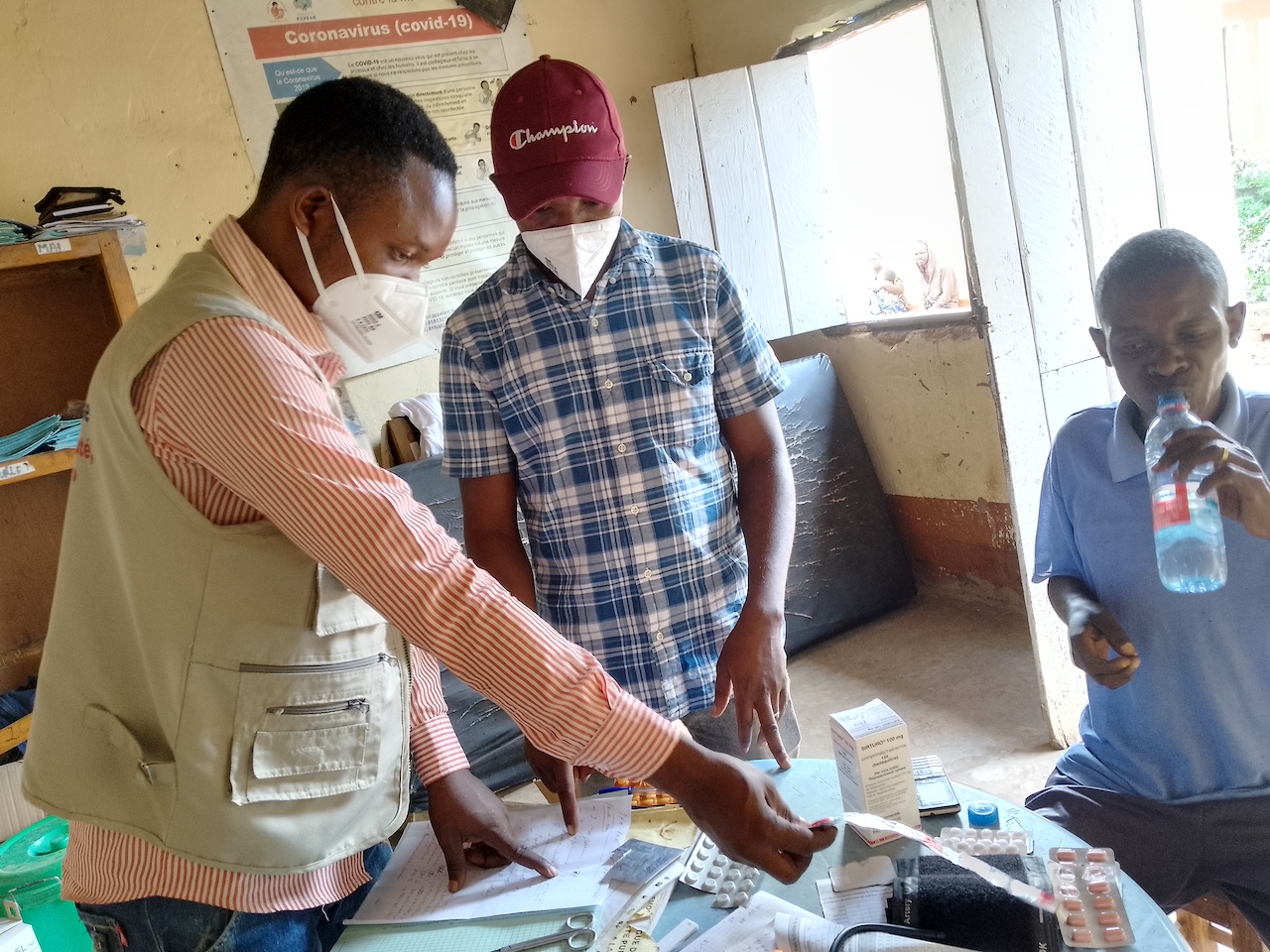
Our programmes also focus on reducing stigma. When accurate information reaches households and communities, people are more likely to seek diagnosis and treatment early. Over the past 15 years, Humana People to People and its members have reached more than 18.5 million people through TB programmes across the Global South.
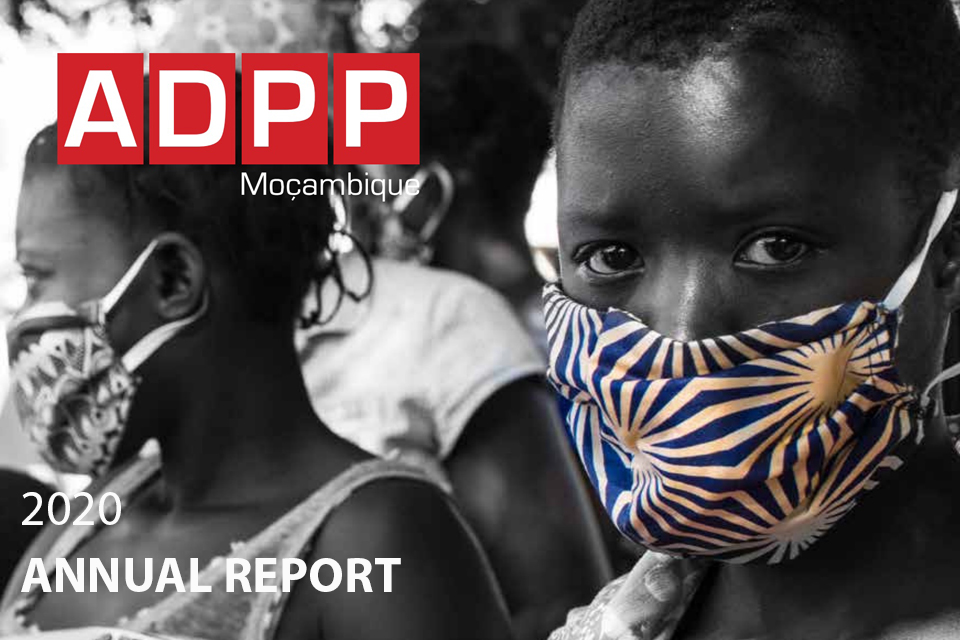
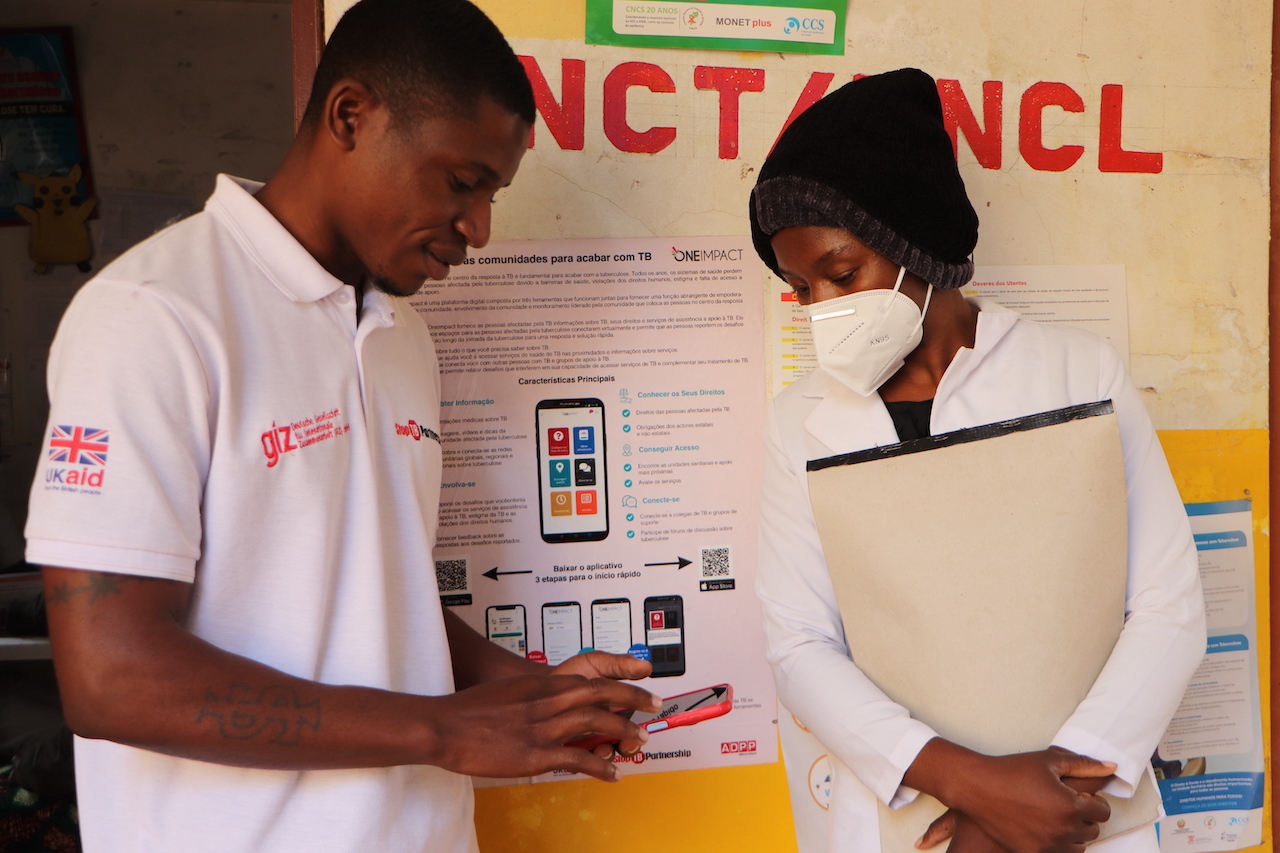
One of our members, ADPP Mozambique, is strengthening the TB response through community-led innovation via the OneImpact platform, a digital tool that enables people to access reliable TB information and report barriers they encounter when seeking care. Over the past two years, 15,936 people have registered on the platform. Among them, 3,705 individuals reported more than 5,500 barriers related to TB services, stigma, and discrimination. Through collaboration between communities, health providers, and local leaders, nearly three-quarters of these challenges were resolved or mitigated.
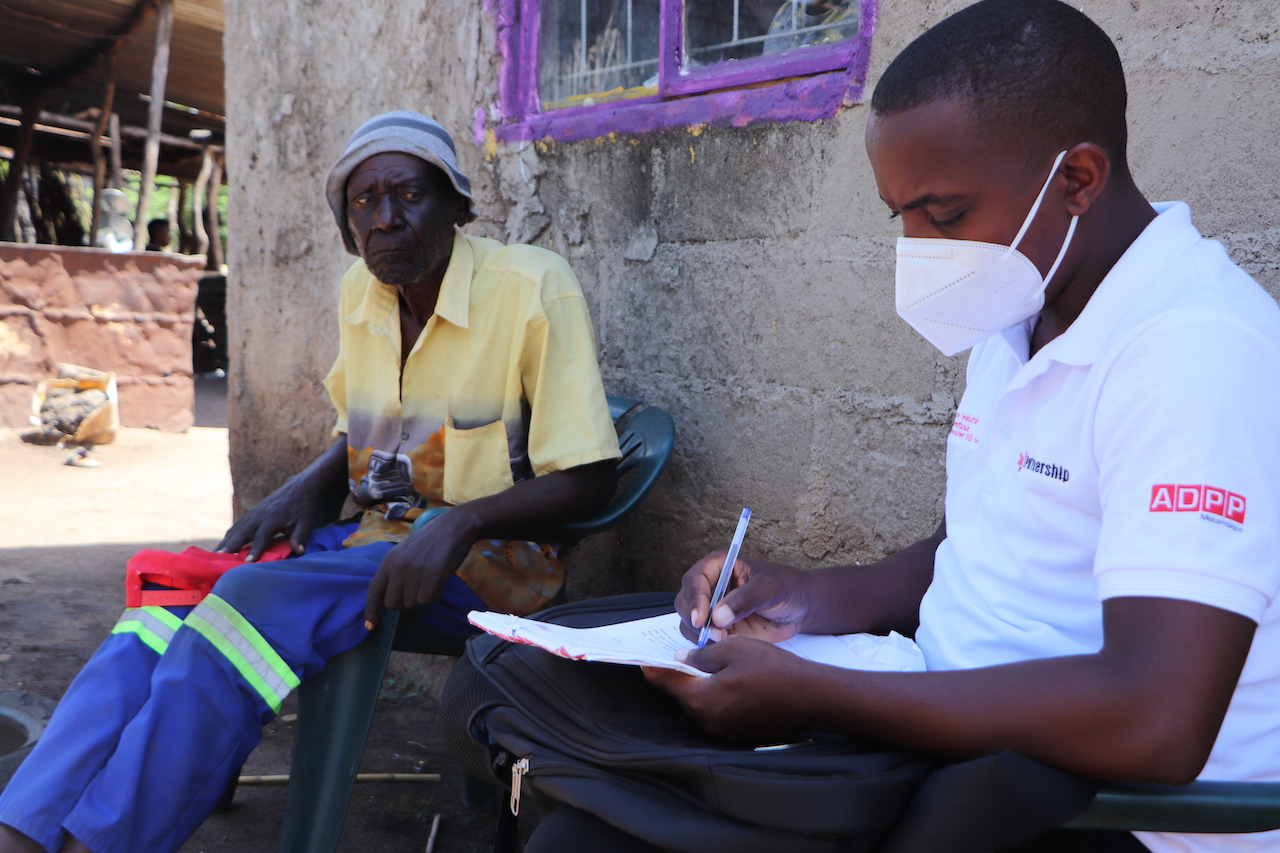
HPP-Congo, a member of Humana People to People, works across 57 health zones and 121 TB treatment centres through the TB Katanga project. Community outreach teams raise awareness, educate families about prevention and treatment, and promote support for people affected by TB. Over the past four years, the project has reached 3.4 million people with awareness activities and supported more than 40,000 people diagnosed with TB to start treatment and receive community support.
These experiences show the strength of people-centred action. When communities, health workers, and institutions work together, barriers can be reduced, trust in health services strengthened, and treatment outcomes improved.
Ending tuberculosis will require sustained global and local commitment. Investments in new vaccines, improved diagnostics, and better treatment options remain essential. Long-term and sustainable funding for TB control is also critical, alongside stronger national ownership and innovative solutions that support resilient health systems.
On this World TB Day, Humana People to People reaffirms its commitment to stand with communities and accelerate progress against TB. With knowledge, solidarity, and coordinated action, we can protect lives and strengthen communities.
Yes! We can end TB. Together, we will.
LED BY COUNTRIES POWERED BY PEOPLE