On World Malaria Day 2026, Humana People to People stands alongside WHO, The Global Fund and partners worldwide to advance the call to action: “Driven to End Malaria: Now We Can. Now We Must.” This is a moment to act with urgency and reinforce what works, that is, placing communities at the centre of the fight to end malaria.
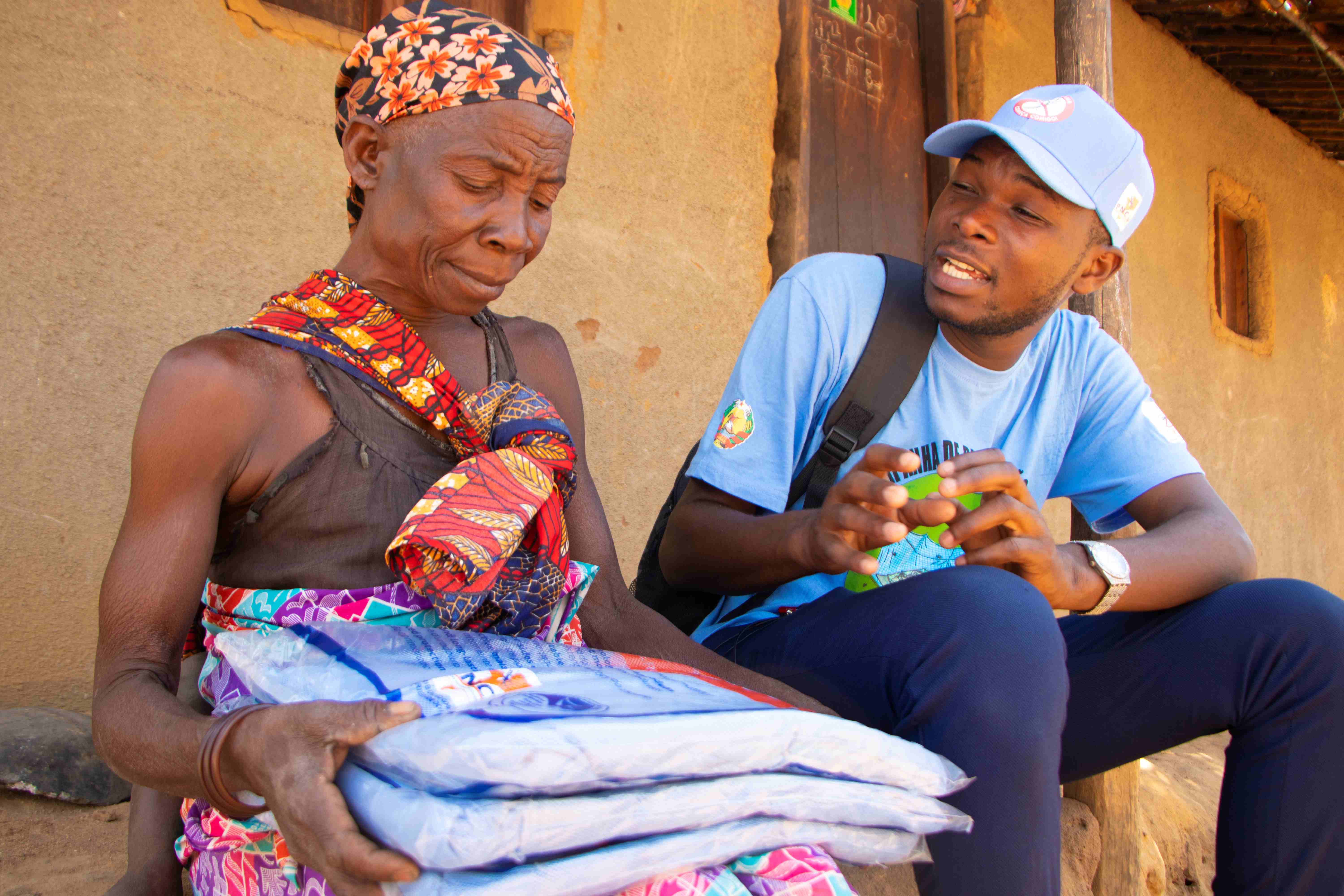
Malaria remains a serious public health challenge, particularly in sub-Saharan Africa, where it continues to cause preventable illness and death, particularly in children under 5 are most affected by malaria deaths, and strains already affected communities and health systems. Over the past two decades, global efforts have prevented billions of cases and millions of deaths. Yet this progress is under threat, demonstrated by an increase of about 9 million cases between 2023-2024. Drug and insecticide resistance, climate variability, funding shortfalls, and humanitarian crises are increasing pressure on communities and weakening the gains made.
Malaria persists not because solutions are out of reach, but because they do not consistently reach every household. These solutions include using mosquito nets and taking practical steps to prevent mosquito breeding and avoid bites. Gaps in awareness, prevention, and timely treatment continue to expose at-risk populations, making malaria education and simple household and community actions essential. The response must go beyond delivering tools by ensuring people have the knowledge and access to act in their daily lives. When individuals and communities work together, it becomes possible to reduce malaria and move toward its elimination because it truly takes all of us working together.
Humana People to People works from a clear belief that only people can liberate themselves from epidemics. We don’t see communities as beneficiaries of programmes, but as the force behind prevention, early action, and sustained impact. When communities are organised and supported, they protect their households, strengthen local systems, and ensure that solutions take root and last in the fight to end malaria.
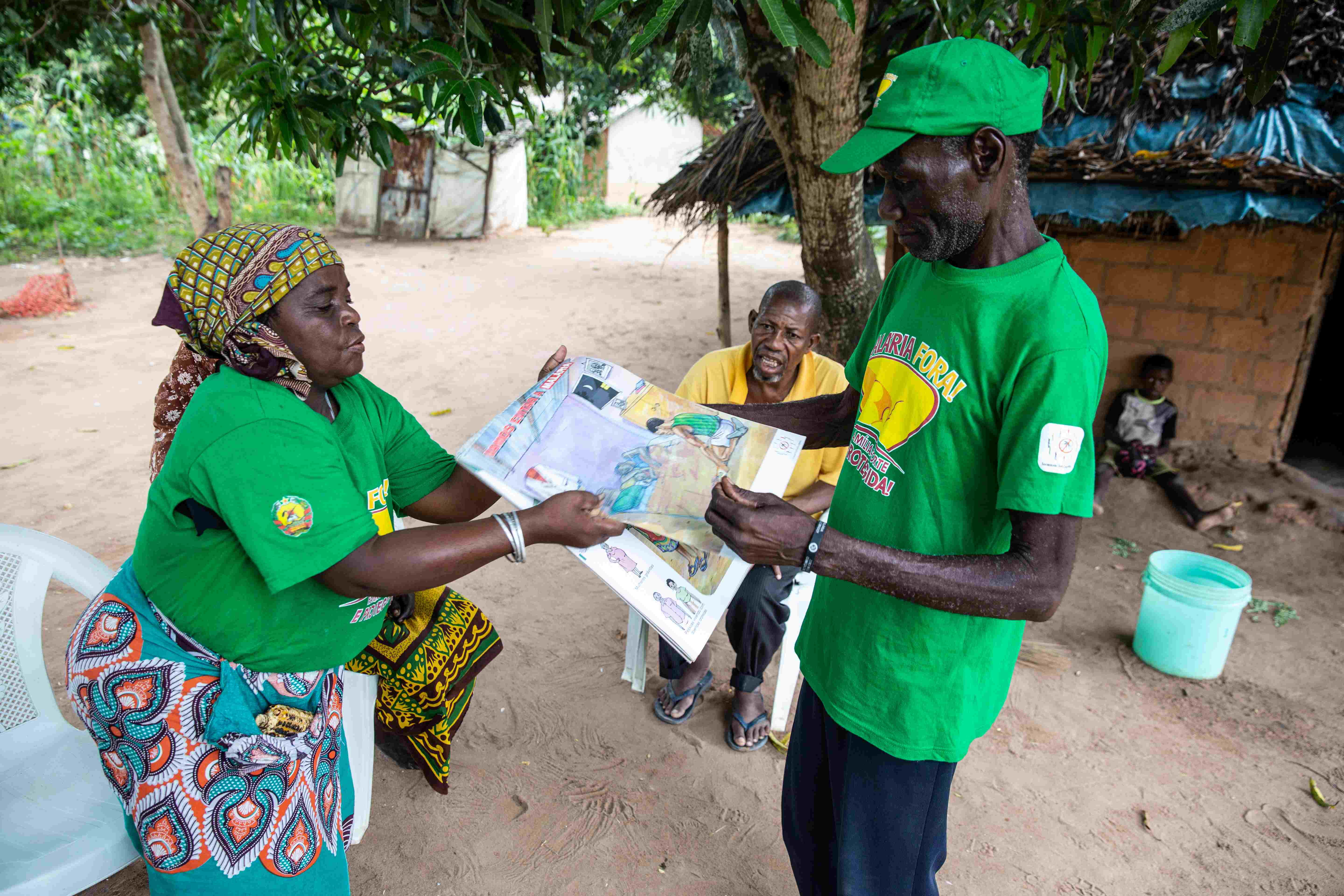
In 2025, Humana People to People reached more than 8 million people with malaria services across the countries where we operate contributing to the goal of a malaria-free world. This work is carried forward by community volunteers, teachers, families, and local leaders who lead prevention, promote early testing, and support access and adherence to treatment. Their daily actions are what turn strategies into results.
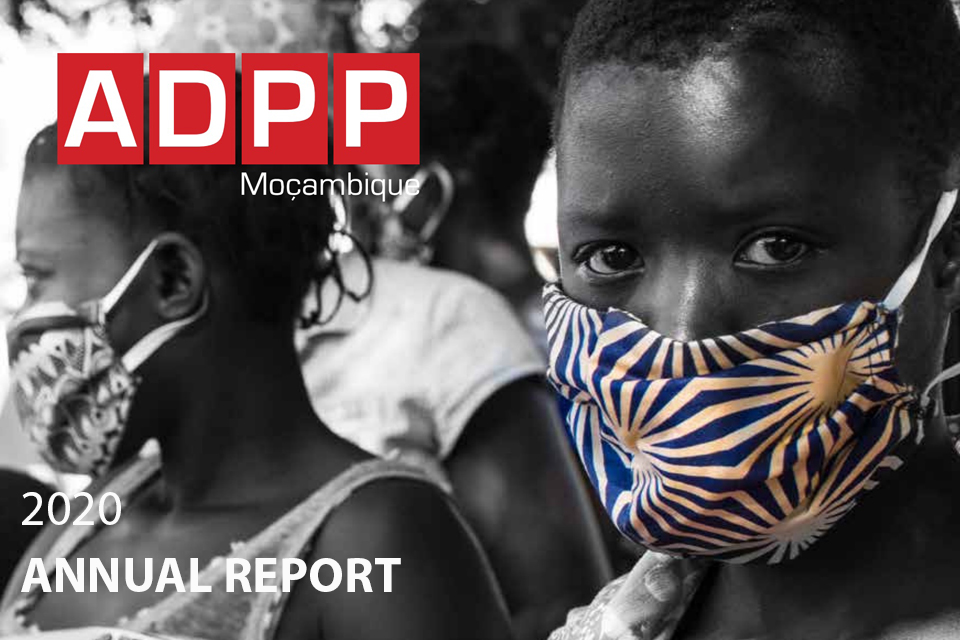
In Mozambique, ADPP Mozambique a member of the Humana Federation, has, for the past eight years with support from the Global Fund, worked side by side with communities to strengthen malaria prevention and care through the Accelerating and Strengthening the Quality of Malaria Control Interventions project in Niassa and Nampula provinces. The focus is practical and direct: building knowledge, changing behaviour, and contributing to increased uptake of available malaria prevention and treatment services.
In close collaboration with the provincial and district health authorities and 20 district education offices, more than 6,500 community volunteers have been mobilised, while teachers are equipping students with essential knowledge on malaria prevention. This combined effort has strengthened action at the household and community level across Nampula and Niassa provinces, resulting in improved prevention practices and timely care-seeking.
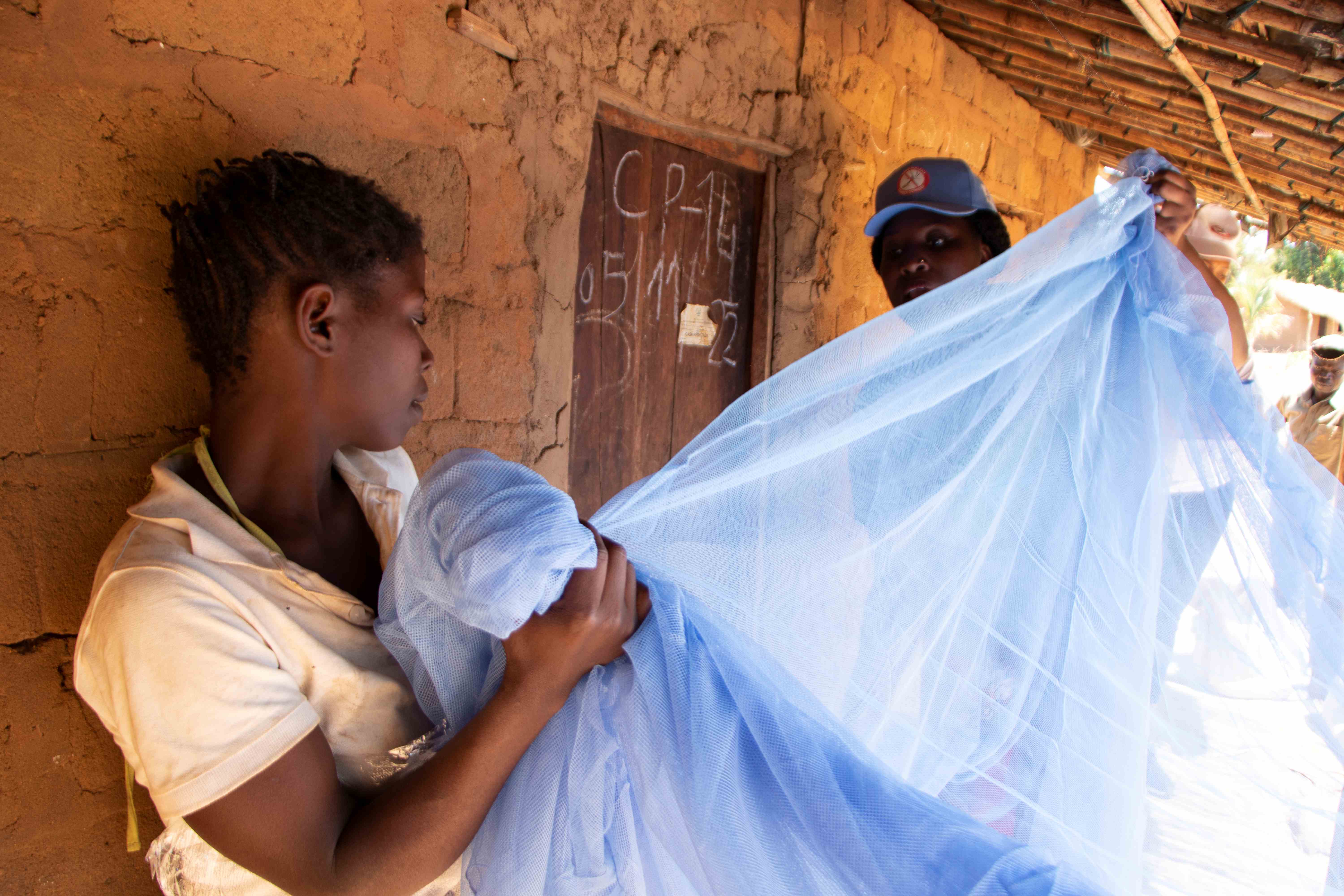
In 2025 alone, the project reached more than 6.9 million people and supported the distribution of over 3 million insecticide-treated mosquito nets (ITNs). These results reflect what is possible when communities are trusted, equipped, and actively engaged.
“It was not easy to accept and start using a treated mosquito net. Before, I believed that using mosquito nets caused breathing problems, and I refused to use them in my home. However, after attending the awareness sessions and receiving visits from members of the health committee at my house, I learned that mosquito nets do not cause breathing problems, and I am happily using them to protect my family from mosquitoes, “ says Januário Amado Capanda, Chimbunila District, Niassa Province.
Sustained progress depends on reinforcing sustainable community approaches. Ending malaria requires consistent investment, stronger, resilient health systems, and integrated, community-centred strategies that respond to changing conditions. It also requires recognising community leadership as key in shaping and delivering effective responses. When people take ownership, prevention becomes routine, early treatment becomes the norm, and progress becomes sustainable.
Driven to End Malaria: Now We Can. Now We Must.