As the world marks International Women’s Day, communities across the globe are facing escalating challenges from climate change and environmental degradation to food insecurity. Amid these pressures, rural women farmers continue to stand at the heart of resilient food systems. Recognised by the Food and Agriculture Organisation (FAO) in 2026 as the Year of Women Farmers, their knowledge, labour, and leadership are shaping sustainable rural agriculture.
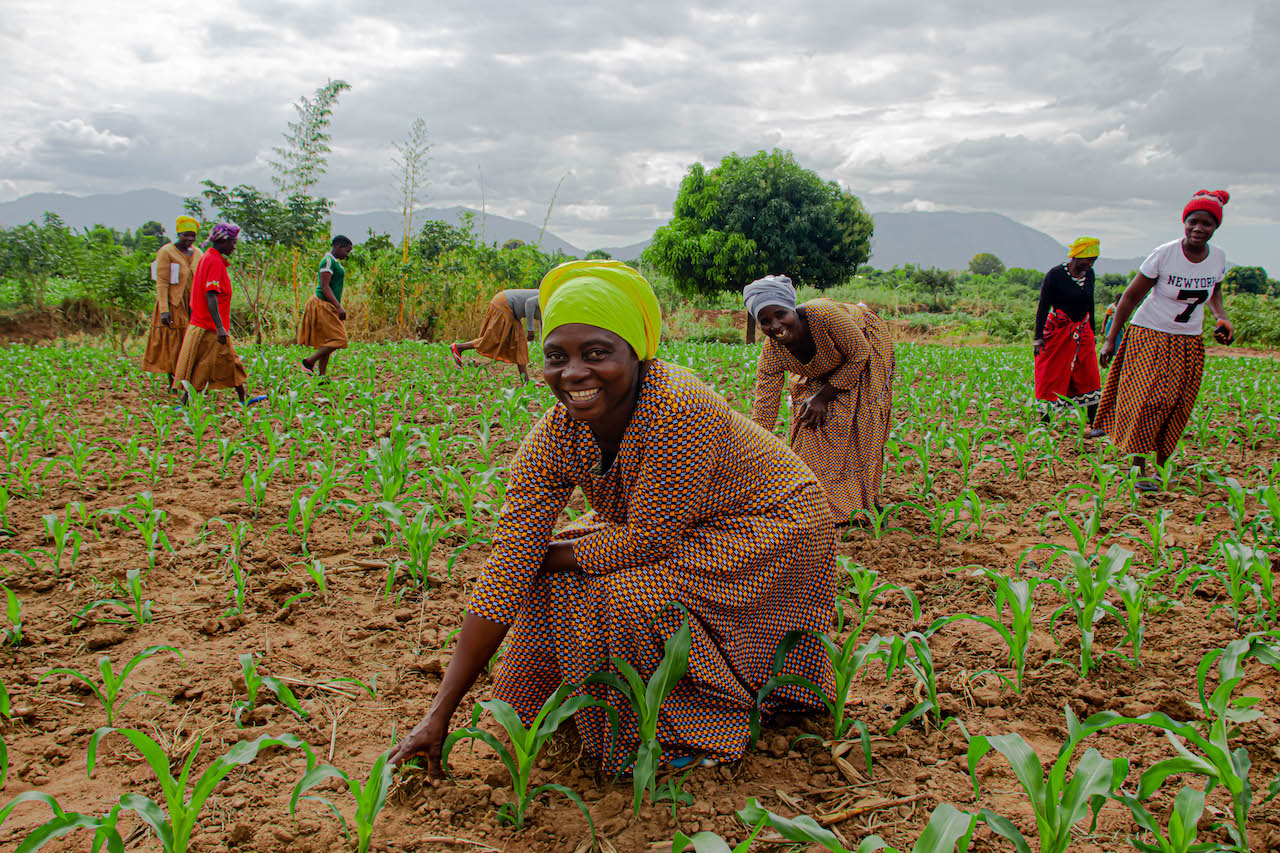
Rural women farmers are innovators, custodians of indigenous knowledge, first responders in times of natural disasters, and entrepreneurs sustaining rural economies. Supporting rural women farmers is not only a matter of justice but also one of the most effective pathways toward inclusive rural economies that reduce poverty, hunger and malnutrition while strengthening resilience to climate and economic shocks.
According to FAO, “women constitute 41% of the global agrifood workforce, yet face a 24% land productivity gap, earn only 82 cents for every dollar earned by men, and experience 34% higher income losses due to extreme heat.” These inequalities persist despite women’s central role in agriculture and rural livelihoods. Women farmers continue to feed families, strengthen and drive rural communities forward.
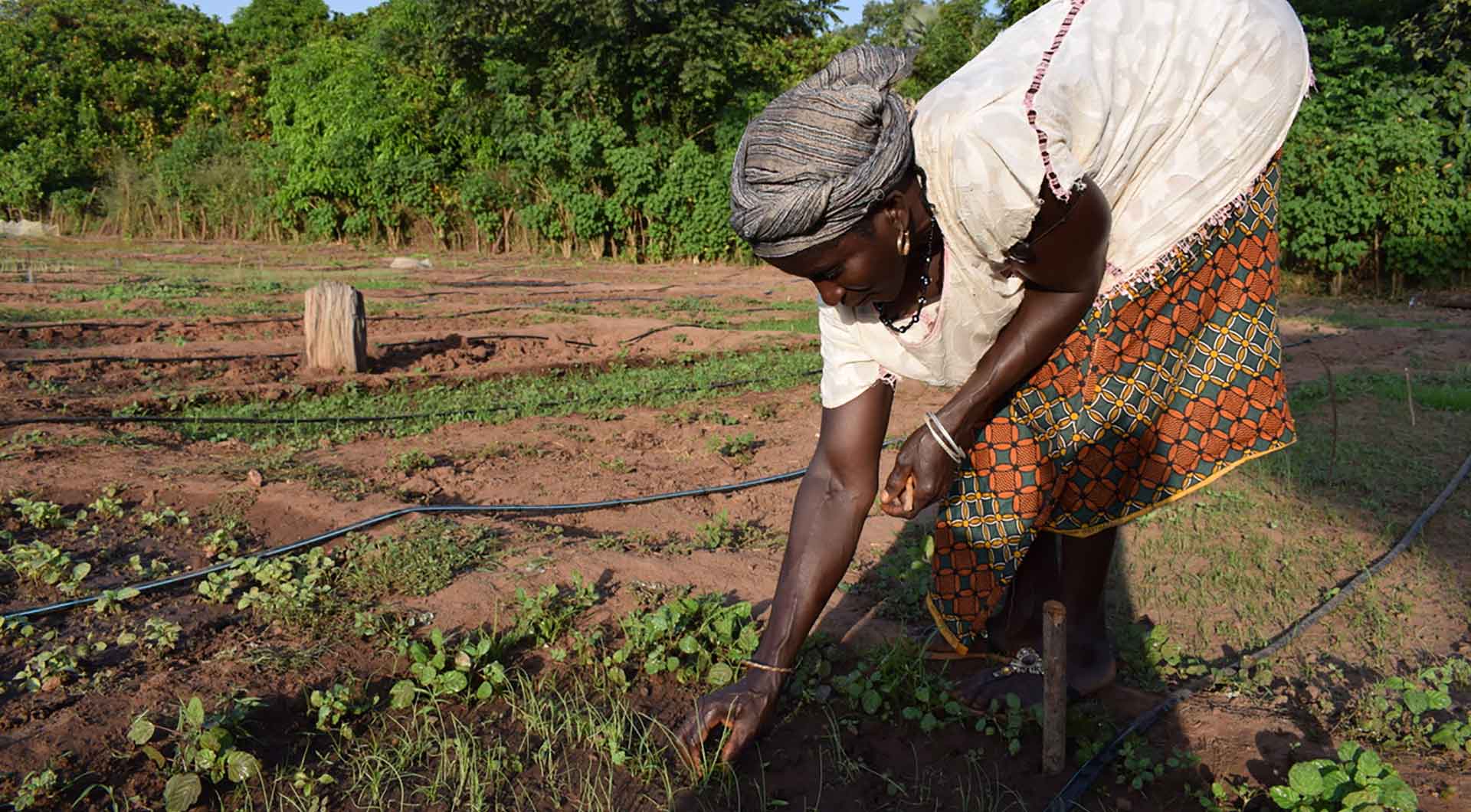
Women contribute to every stage of agricultural production. Many lead efforts to protect natural resources and promote regenerative practices that sustain productivity in an ever-changing climate. Their work extends beyond agriculture, improving household nutrition, education, and community cohesion.
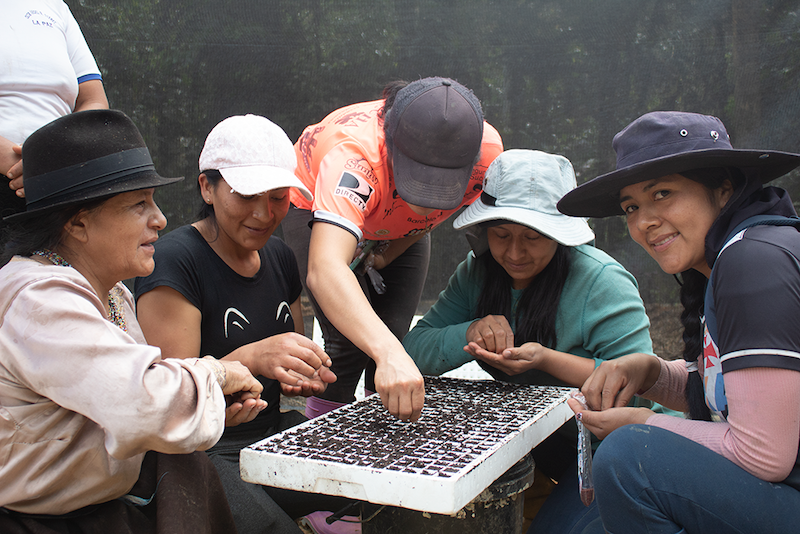
Addressing gender inequality requires collective action. Men play a critical role as partners in transforming power dynamics, sharing decision-making, and amplifying women’s voices. When men and women work together in agriculture, everyone benefits; as a result, agriculture becomes more productive, inclusive, and resilient.
Humana People to People prioritises closing the gender gap in agriculture through people-to-people approaches that build knowledge, organisation, and leadership at the community level. Our Sustainable Agriculture and Environment programmes promote women’s leadership through democratic structures within Farmers’ Clubs, while engaging men as partners to help address gender equality and shared progress. In 2024, our Sustainable Agriculture and Environment programs engaged over 188,000 smallholder farmers and reached one million people with climate-smart agriculture, food security, and community-led environmental actions.
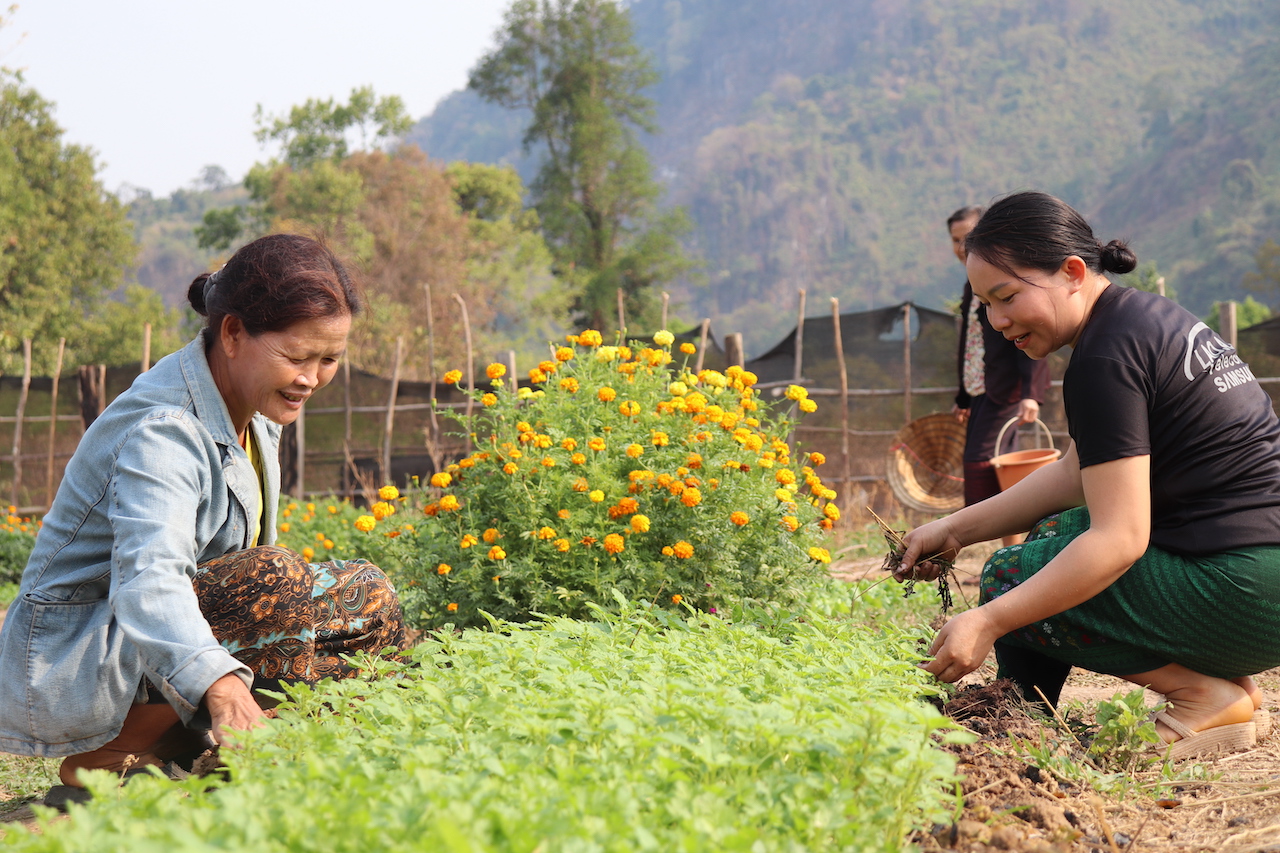
In Malawi, one of our members, DAPP Malawi’s Sustainable Village Savings and Loan Schemes (VSLs) within Farmers’ Clubs II, strengthens economic well-being by expanding access to diversified financial services. The initiative has increased income for 37,500 people across Zomba, Phalombe, Chikwawa, and Nsanje districts through 1,900 VSL groups, with women, men, and youth participating as equal members.
Farmers receive training in savings and loan management, entrepreneurship, and business planning, and are linked to formal financial institutions such as NBS Bank, SMILE LIFE Insurance, and FDH Bank. These partnerships enable farmers to open accounts, access loans, and invest in productive activities. VSL groups are self-managed, strengthening local governance, accountability, and mutual support among farmers.
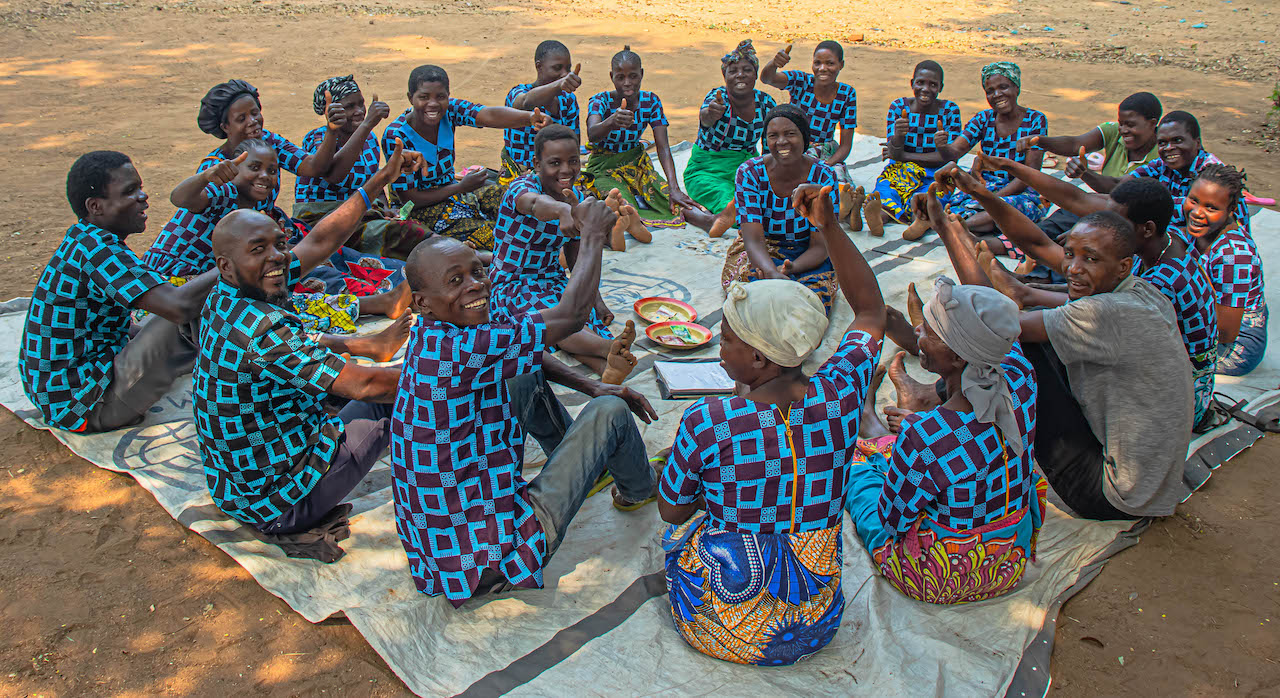
Women farmers are using savings and loans to invest in agriculture, livestock, education, and housing. Financial inclusion enhances women’s economic independence and strengthens their ability to withstand climate shocks. As women share knowledge on regenerative agriculture, entire communities benefit from improved practices and increased productivity.
“I have been keeping my farming dividends through buying shares in the VSL. Last year, I received $210, which I invested in livestock and maintaining my house. Now there is progress in my life,” says Maria Peter, a member of the Mpokonyola VSL group.
While progress has been made in gender equality across different sectors, much remains to be done. Women farmers must be supported and equipped with knowledge to fully participate as equal members of society. Achieving this requires coordinated action by policymakers, the private sector, and communities.
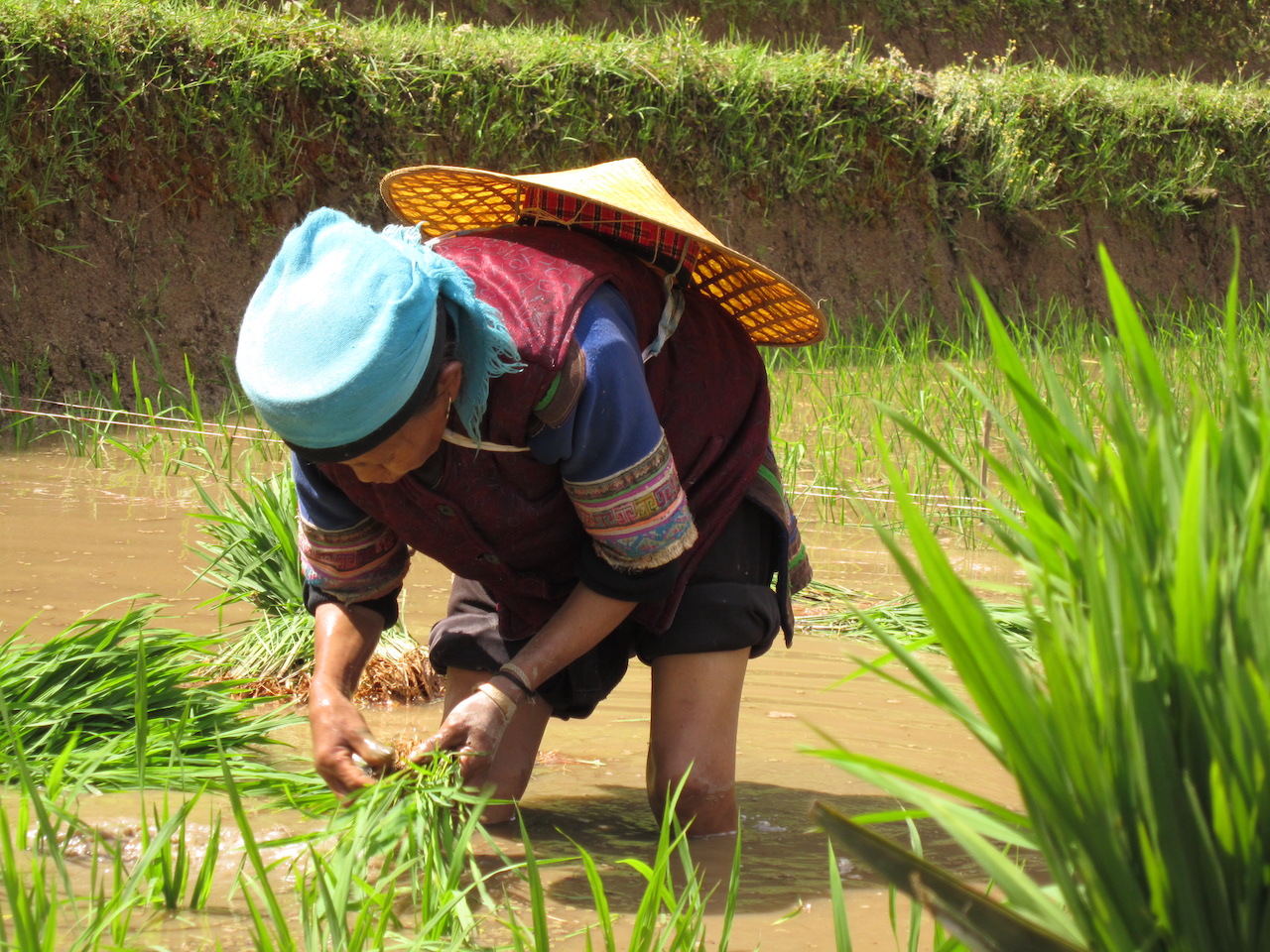
Humana People to People continues to strengthen locally led initiatives that support women farmers and promote gender equality in agriculture in a sustainable way. By working with farmers, communities, and partners, we aim to deepen and accelerate progress in rural women farmers' everyday lives. This International Women’s Day, the call is clear: recognise, invest in, and stand with women farmers, together with men as allies to build resilient, inclusive, and peaceful rural communities.