Each year, the International Day of Women and Girls in Science reminds us that science and innovation thrive when everyone is involved. The 2026 global theme, “From Vision to Impact: Redefining STEM by Closing the Gender Gap,” calls on us to move beyond intention and turn commitment into real change. It highlights the vital role women and girls play in Science, Technology, Engineering, and Mathematics (STEM) as drivers of sustainable development.
STEM education connects science, technology, engineering, and mathematics into a holistic way of learning. Rather than treating these fields as separate subjects, STEM links knowledge to real-life challenges and encourages learners to observe, question, experiment, and solve problems relevant to their daily lives. When inclusive, STEM education builds not only technical skills but also confidence, creativity, and a sense of responsibility toward communities.
Despite its importance, access to STEM remains unequal. UNESCO reports that “only 35% of African students pursue STEM studies, compared to 50% in other regions.” Within this gap, girls face even greater barriers. Social expectations, parental beliefs, limited role models, classroom dynamics, and fewer opportunities often discourage girls from engaging in science and technology from an early age. These barriers are not inevitable; they are known and solvable.
Ensuring equal participation of women and girls in STEM is not just a matter of fairness; it is essential for progress. When half the population is underrepresented, scientific advancement cannot fully reflect society’s needs or experiences. Supporting girls in STEM opens pathways for them to become innovators, educators, and problem solvers who shape the future of their communities.
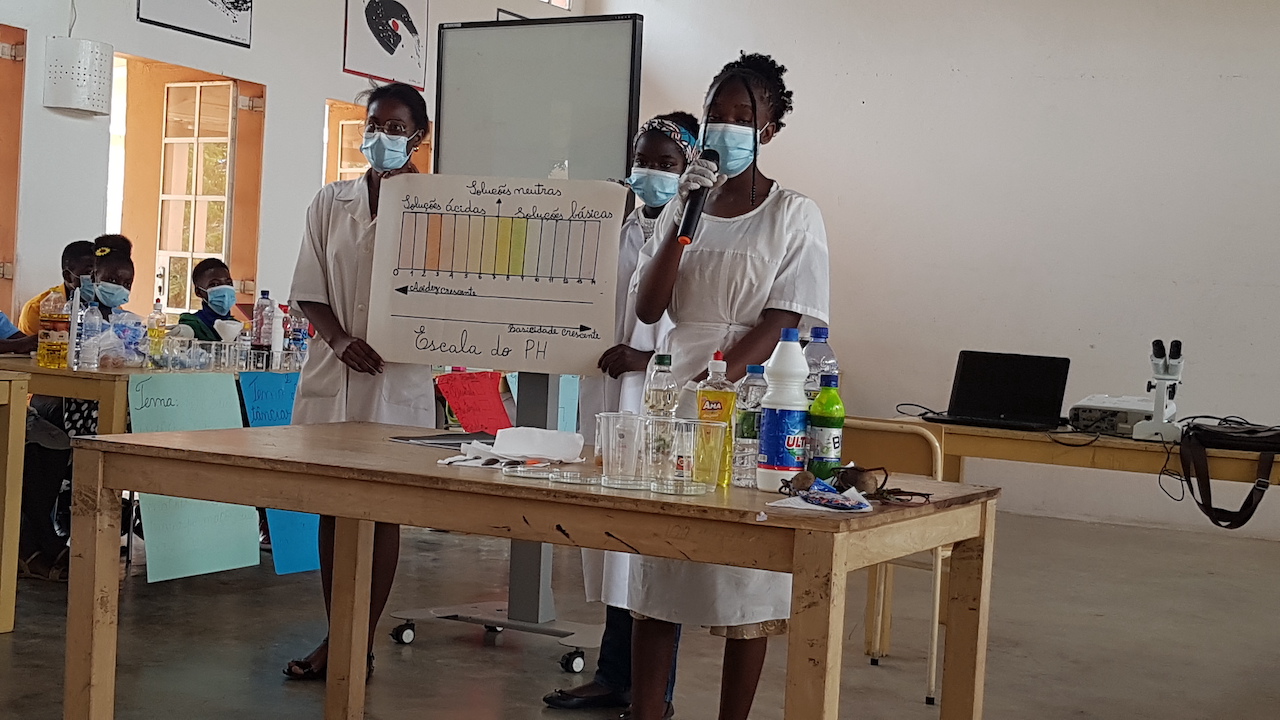
As the Humana People to People Movement, we believe change happens when people work together and build solutions rooted in local realities. Gender equality is central to our education programmes. We support women and girls by providing access to tools, networks, and opportunities, enabling them to collaborate and apply both scientific and heritage-based knowledge to address community challenges. This approach is especially critical in rural areas, where access to quality STEM education is often limited.
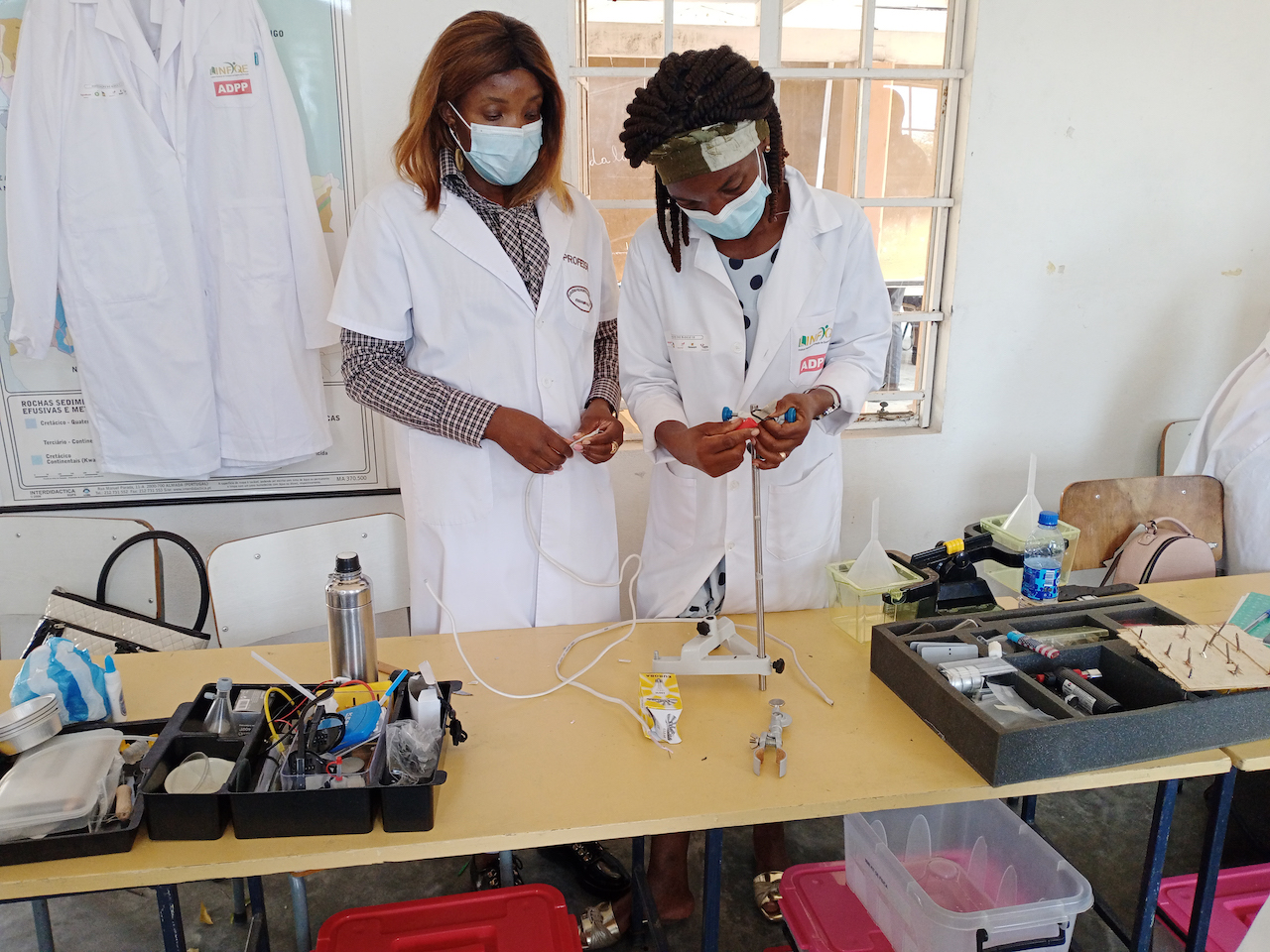
Teachers are key to this transformation. Teaching quality and training strongly influence how girls experience STEM. Learner-centred approaches, hands-on experiments, open-ended investigations, and real-world problem solving spark curiosity and build confidence. Seeing women teachers and professionals succeed in STEM also reshapes girls’ beliefs about what is possible.
On this day, we highlight the impact of ADPP Angola’s STEM projects, which promote a love of science and technology among students, especially girls. Since 2017, these projects have trained more than 3,000 teachers and reached nearly 60,000 pupils across 10 provinces. Teachers receive materials, skills, and confidence to connect theory with practice, creating classrooms where all learners can participate actively. Inclusive approaches ensure that no girl is left behind.
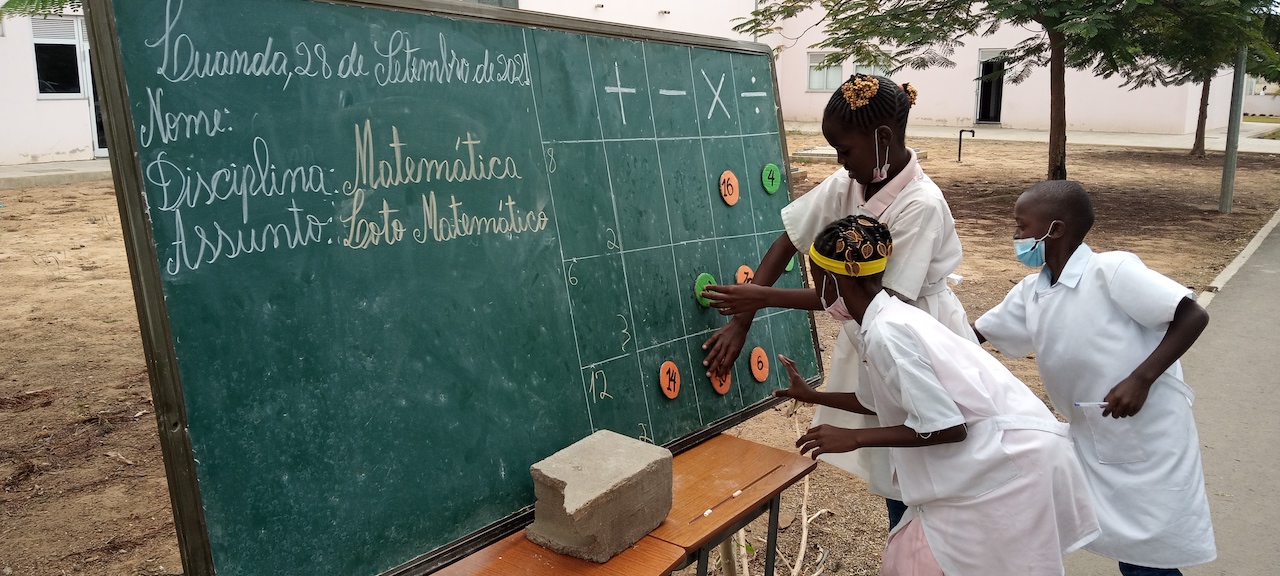
STEM teaching has become more practical and engaging, particularly in biology, chemistry, physics, and mathematics. Female students are encouraged to challenge stereotypes, build self-confidence, and pursue more demanding STEM fields.
As one teacher shared, “I now think about the practical component before preparing a lesson, using low-cost materials and experiments to make learning more interesting.”
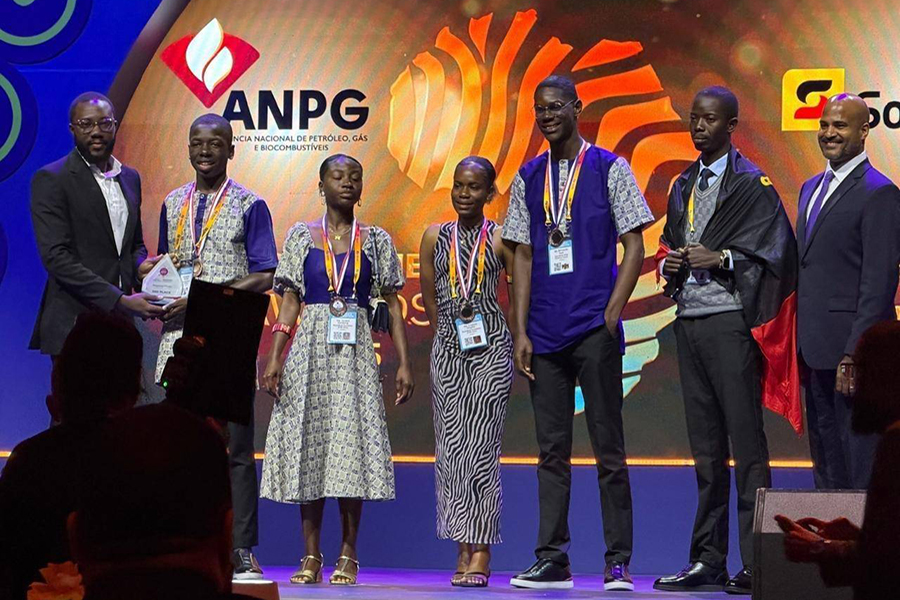
In 2024, ADPP Angola organised online STEM competitions using Kahoot, engaging hundreds of students in Luanda. At a National Innovation Camp, students, more than half of them girls, presented solutions to local challenges. Four students represented Angola at the African Energy Week finals in South Africa and won the competition, demonstrating what young people can achieve when given opportunity and support.
Closing the gender gap in science is both a gender equality and development issue. By strengthening female STEM teachers, encouraging girls to pursue science, and supporting women as problem solvers, communities can better address real challenges. On this International Day of Women and Girls in Science, we reaffirm our commitment, in the same spirit and with the same resolve, to see that women and girls are not only included in STEM but also supported to lead, innovate, and transform our shared future.