As we observe the International Day of Peace, we reflect on the state of our world. The world is certainly in dire need of peace. This is the world in which we all live and act. At Humana People to People, we are committed to doing our part to build and uphold peace, recognising it as a fundamental precondition for and integral part of sustainable development.
UN Secretary General Antonio Guterres highlighted that “Peace is not just made at conference tables, but in classrooms, neighbourhoods, and everywhere people meet with open minds and open hearts. Together, day by day, we can build a more just world, with compassion, equality and dignity for all”. The Chairman of Humana People to People, Snorre Westgaard, supported the notion and indicated that “Peace will not be a constant, but we must consciously build it together, all the time, by caring for one another, ourselves, and the planet”.
Peace is a complex issue that involves much more than simply ending war or stopping direct fighting. It requires justice, social stability, economic prosperity, and fundamental freedoms. True peace depends on unity among the people, and we actively promote it at every level. The Humana People to People approach is employed across all areas we work in, including agriculture, education, health, community development, humanitarian aid, and the sale of second-hand clothes, all aimed at restoring, maintaining, and safeguarding peace. Our projects are rooted within communities, where we establish action groups led by local people. These groups are committed to the long term and foster sustainability. They serve as platforms for people to connect, collaborate, and take action, sharing knowledge, empowering women, and defending the rights of children, people with disabilities, and orphans. By creating inclusive environments, these efforts strengthen families, individuals, and communities, enabling them to better control their lives collectively and sustain peace.
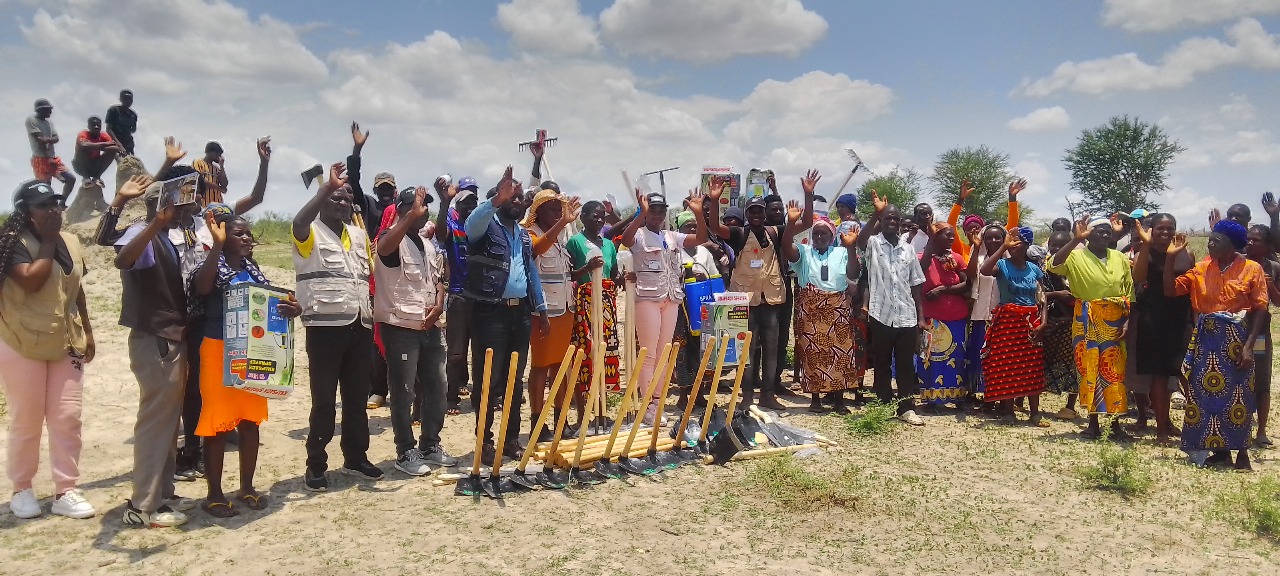
In times of crisis, we focus on actions that reflect real-life experiences, such as teachers reopening classrooms, smallholder farmers applying sustainable farming methods to cope with climate change, youth forming local response teams, and community volunteers ensuring essential services continue. These efforts foster resilience from within communities, helping them find peace in their daily lives. Our humanitarian work remains committed to strengthening local systems so communities can stand strong on their own, face disasters with hope, and build lasting peace.
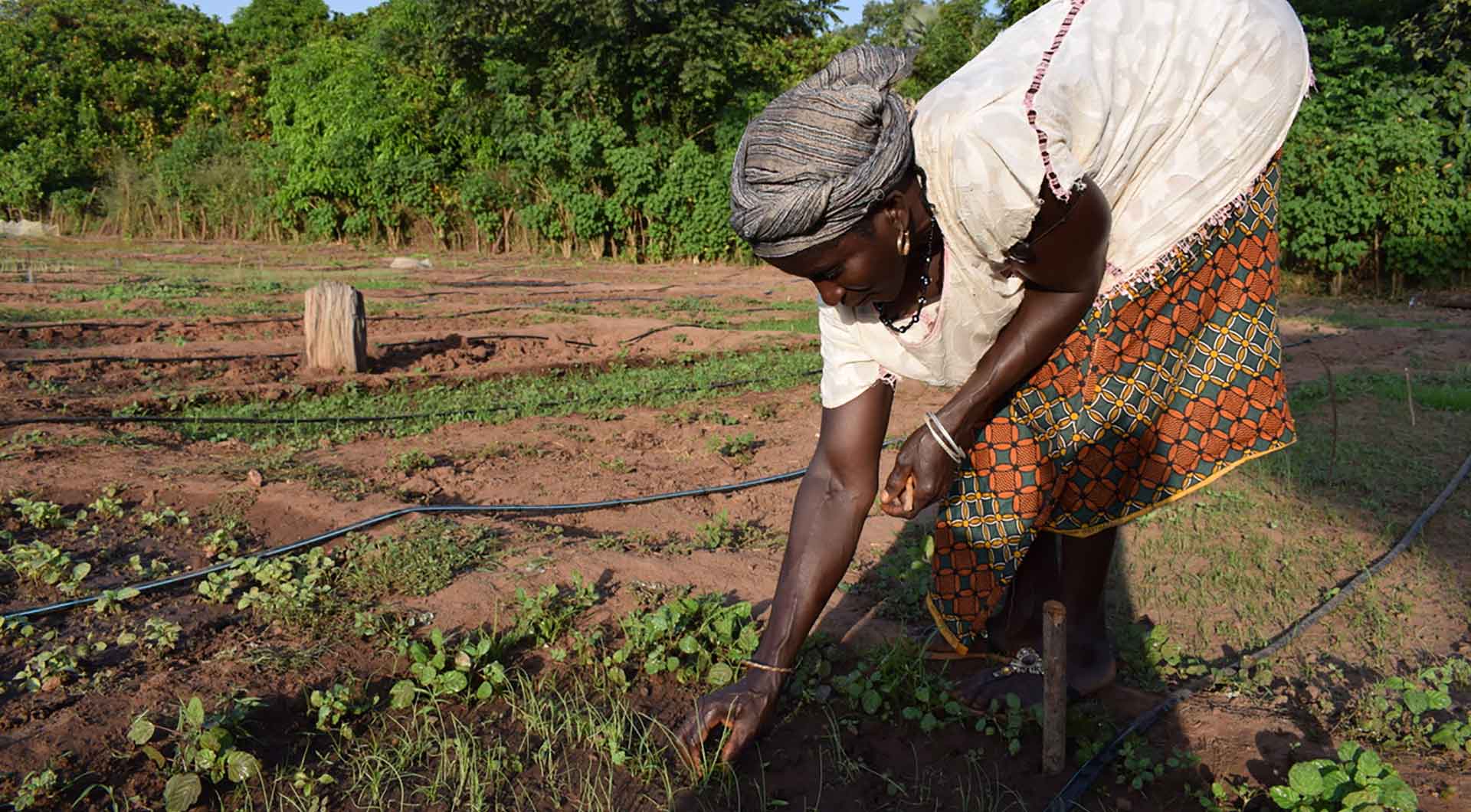
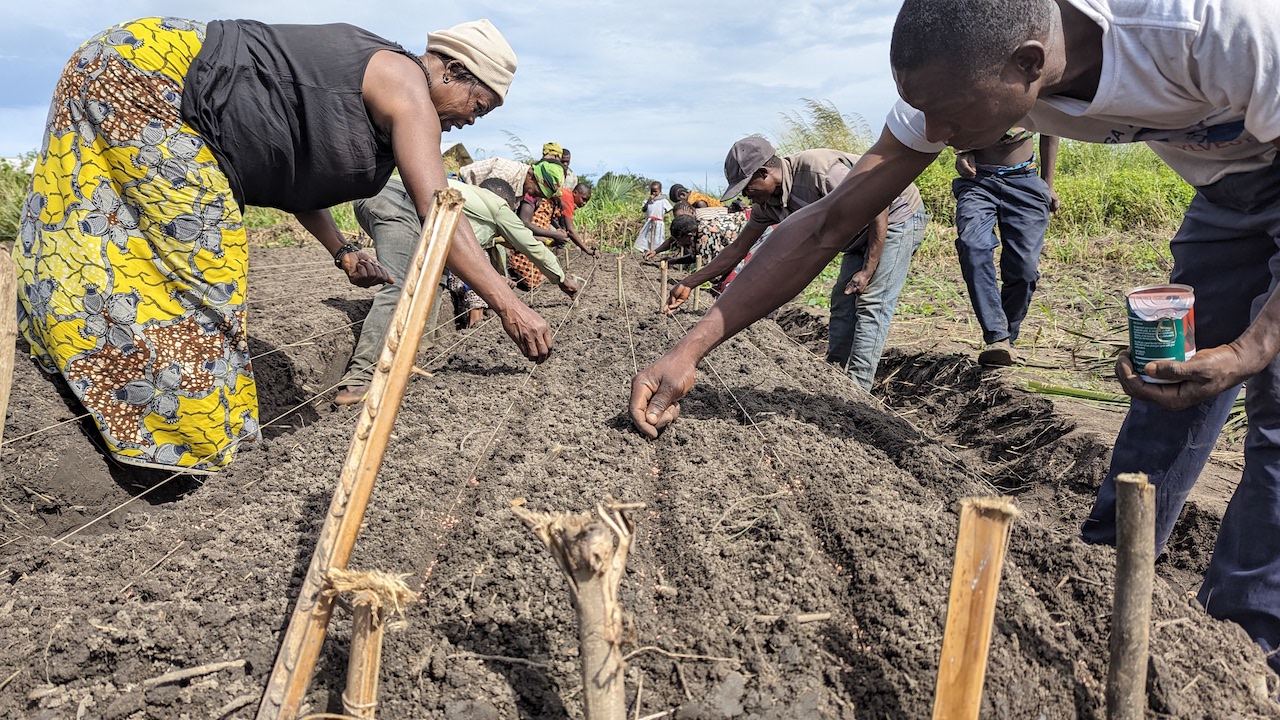
In our Farmers’ Clubs programme, the farmers and their families are at the centre of the activities. Farmers organise in clubs of 50 members, further divided into core groups of 10, each led by one of their own, and they stick together in their daily activities. Here, farmers access training, strengthen cooperation, address challenges, and develop sound ethical practices in harmony with nature. They also share traditional knowledge and assess its relevance today to strengthen community bonds and promote peace.
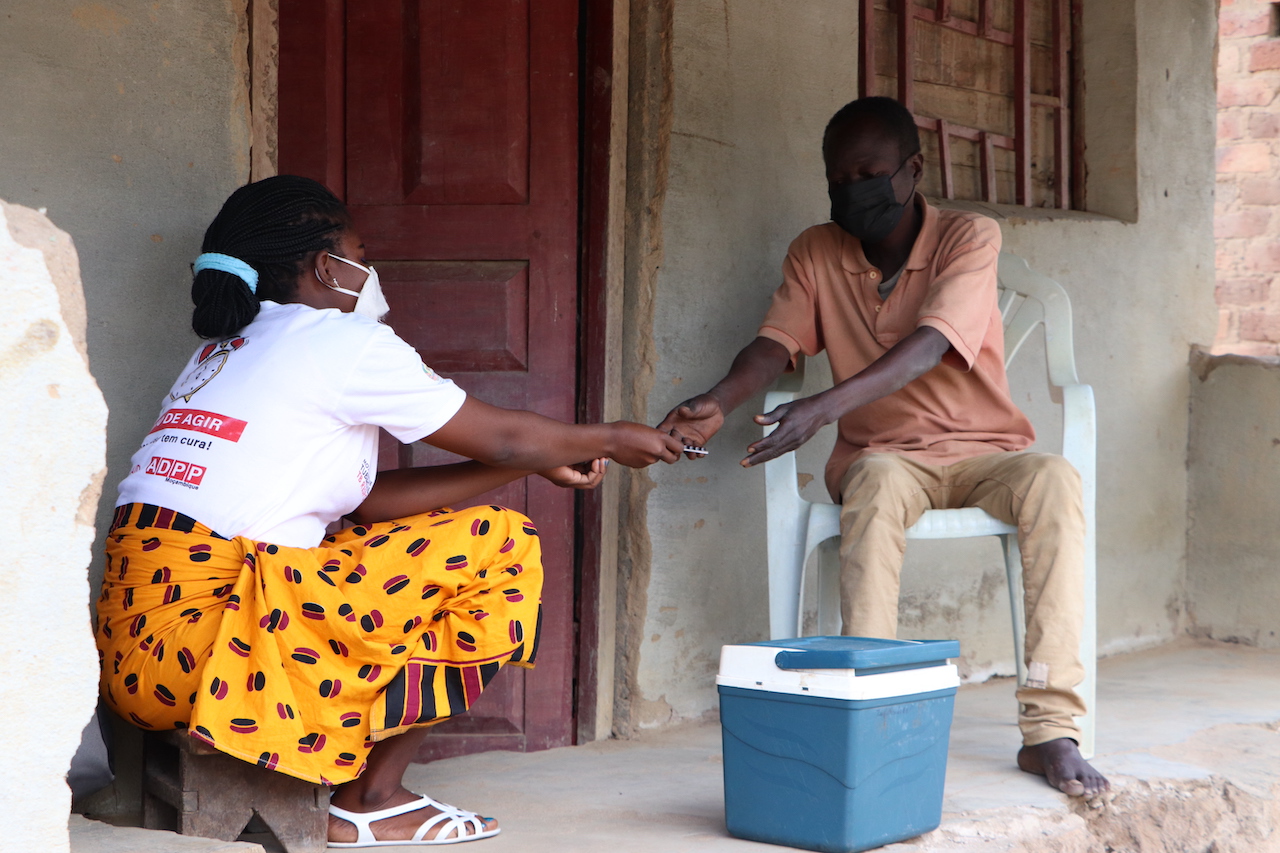
At Humana People to People, we believe that peace is achieved when we are all healthy. We strengthen communities to lead their own health priorities, manage resources, and ensure continuity of care even in tough times. Our people-to-people approach mobilises communities to combat HIV, TB, malaria, non-communicable diseases, and nutrition issues. Since 2000, our Total Control of the Epidemic (TCE) model uses volunteers, peer educators, and local groups to reduce stigma, promote testing, and support treatment through family- and friend-led TRIO groups, serving communities directly. When informed and organised, communities progress and live peacefully.
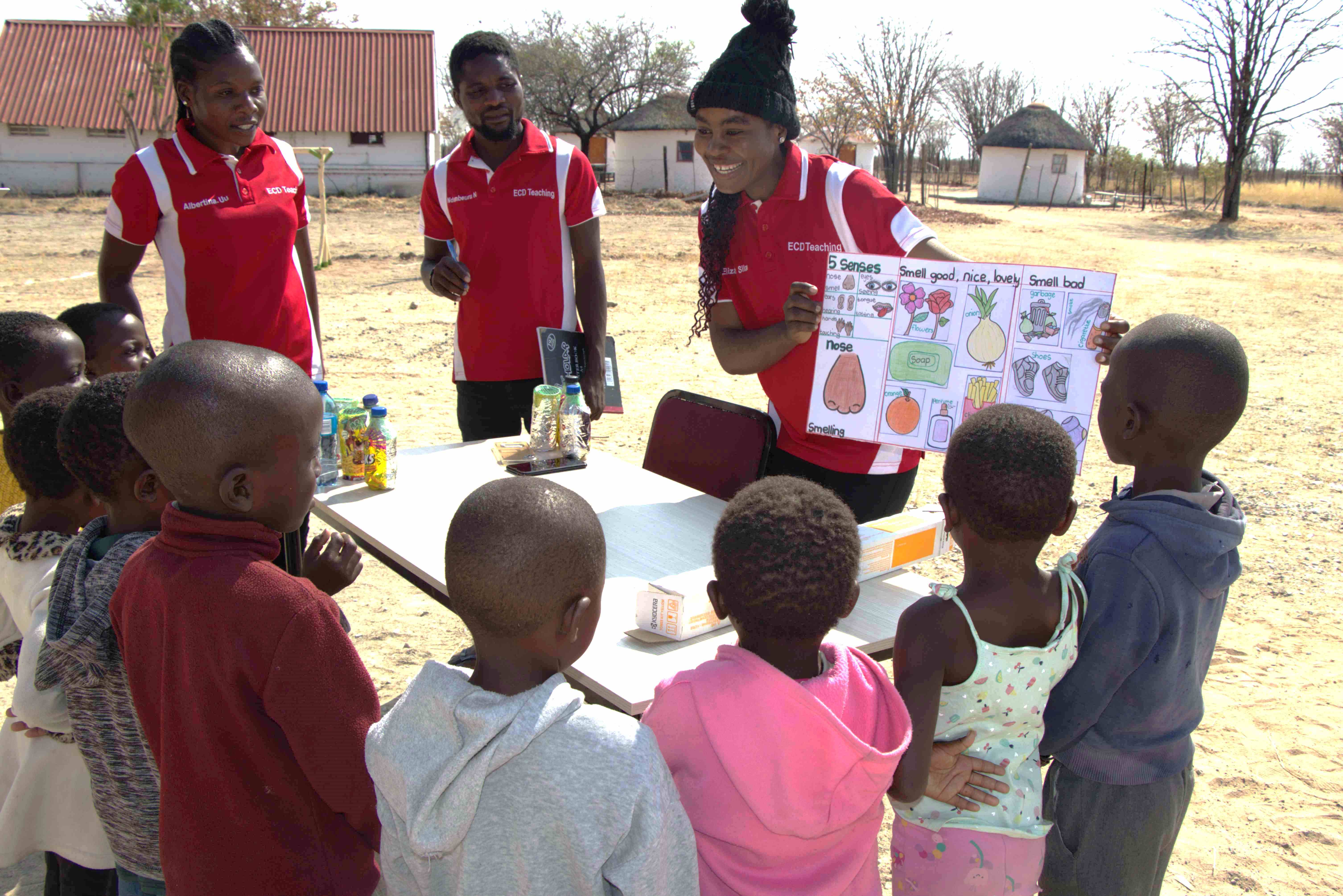
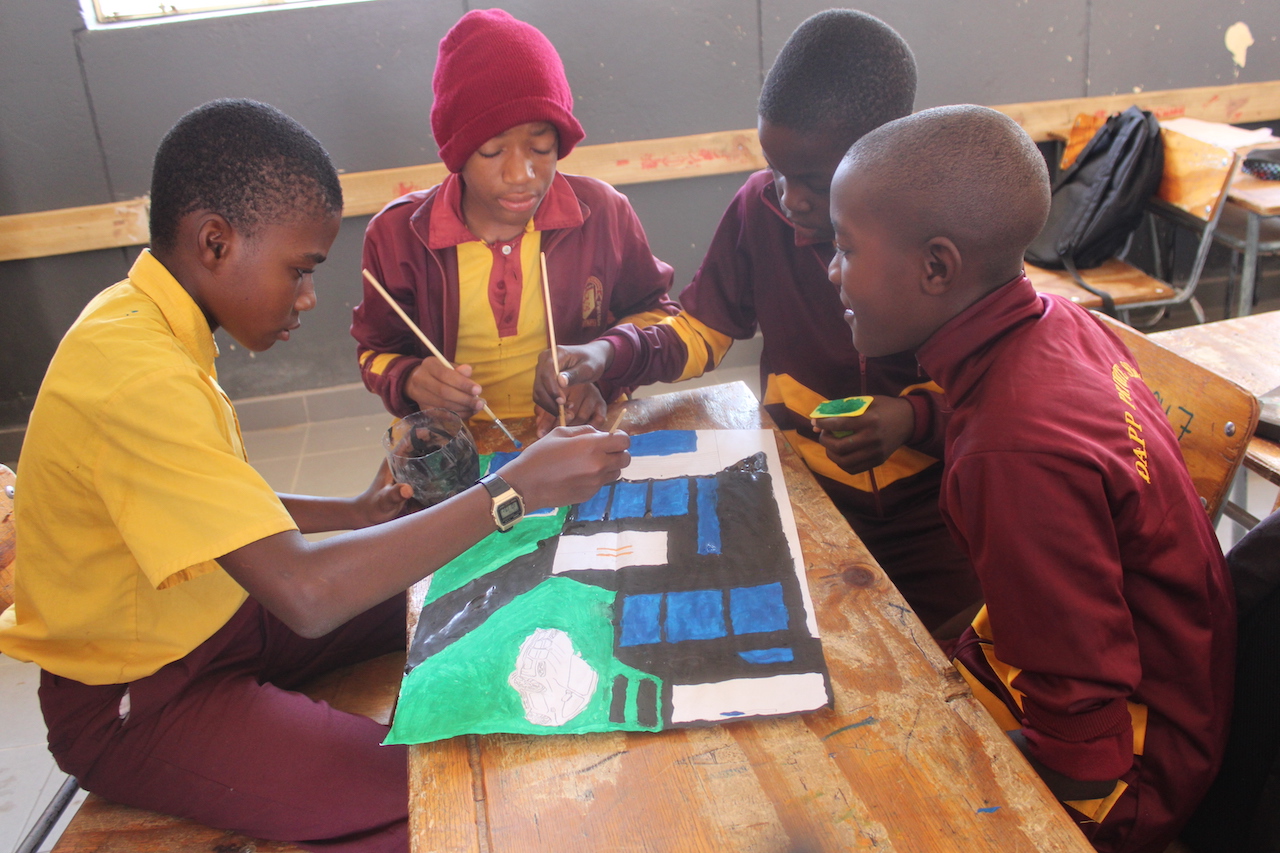
Education is a fundamental human right and the foundation for peace. As societies worldwide call to reshape education for harmony, we support efforts to create stable, peaceful communities through sustainable development. We focus on training teachers to address shortages, especially in rural areas, ensuring every child has access to motivated, skilled educators. Our programmes encourage personal growth, improve primary education quality, develop teachers’ skills, promote child-friendly methods, and support community development.
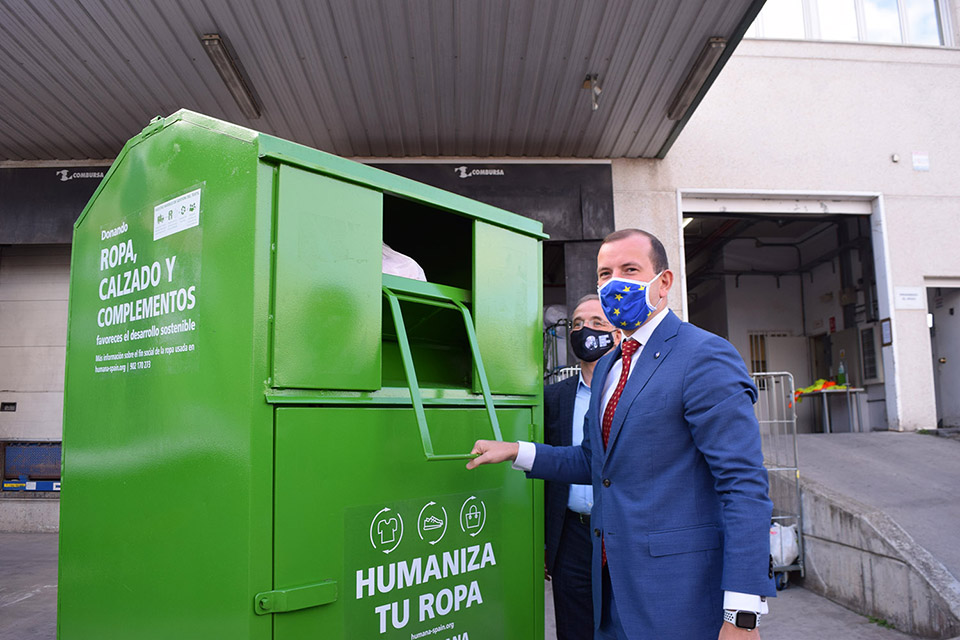
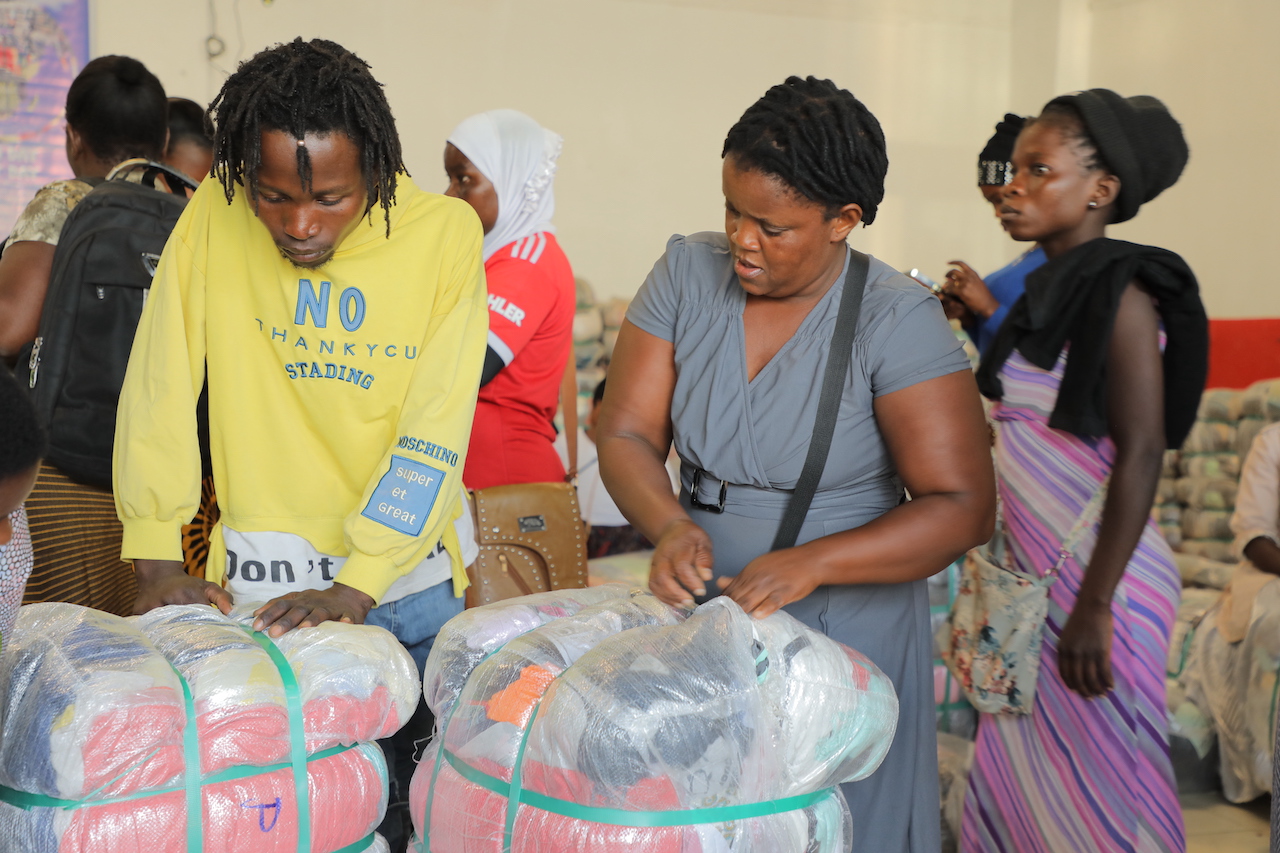
The contributions of the Humana People to People network in the second-hand clothing industry go beyond merely providing clothing; they help foster peace in communities by promoting economic stability. Humana People to People supports the livelihoods of millions in some of the world’s most economically challenged regions with the money raised through the circular economy. The sector also generates employment, directly creating over 8,000 formal and 116,200 informal jobs in logistics, sorting, and sales across Africa and Latin America. These efforts reduce poverty, conflict, and instability, ultimately promoting peace and social harmony.
Peace is fundamental to societal progress, fostering trust, cooperation, and mutual respect while ensuring safety, dignity, and economic development. We must actively work to promote peace, uphold human rights, and strengthen democratic values to build a more harmonious and resilient society for all.