We are excited to announce the prize given to DAPP Malawi’s Mikolongwe Vocational School for their informal mobile training courses, which has benefitted over 10 000 youths in Malawi since 2016.
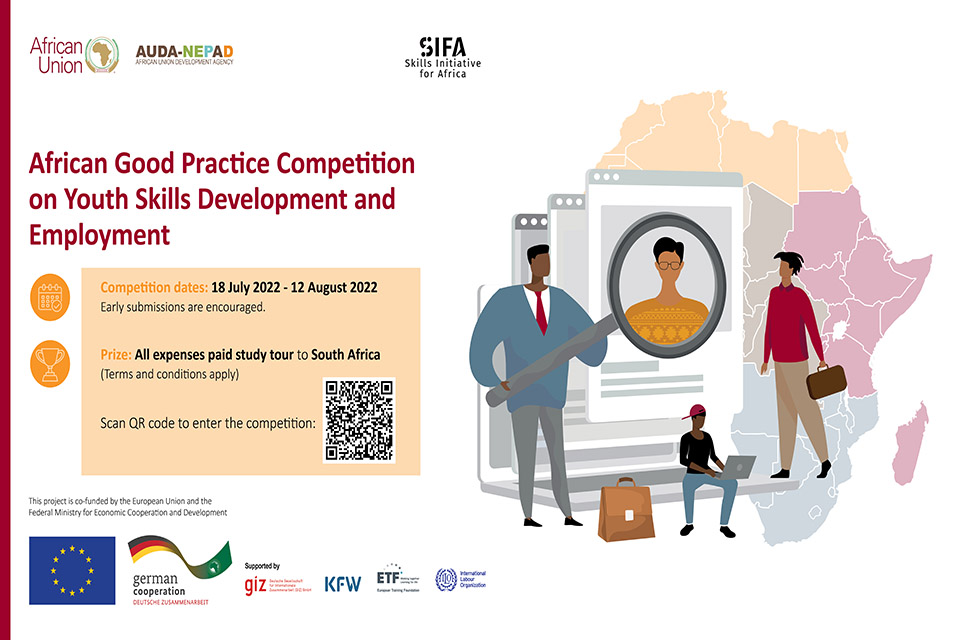
The model of our member DAPP Malawi, was selected as the top good practice from the Southern Africa Region at the African Good Practice Competition on Youth Skills Development and Employment, organized by the African Skills Portal for Youth Employment and Entrepreneurship (ASPIYEE), which is managed by the African Union Development Agency (AUDA-NEPAD).
The competition, which attracted over 150 African applications, aimed at increasing good practices from all continental regions.
DAPP Malawi’s Mikolongwe Vocational School started in 1997 with the idea of equipping young men and women with technical and vocational skills and knowledge. The school uses Technological and Vocational Education Training (TVET) approaches in training youth to become productive, get formal skills to secure employment or starting up own small-scale businesses.
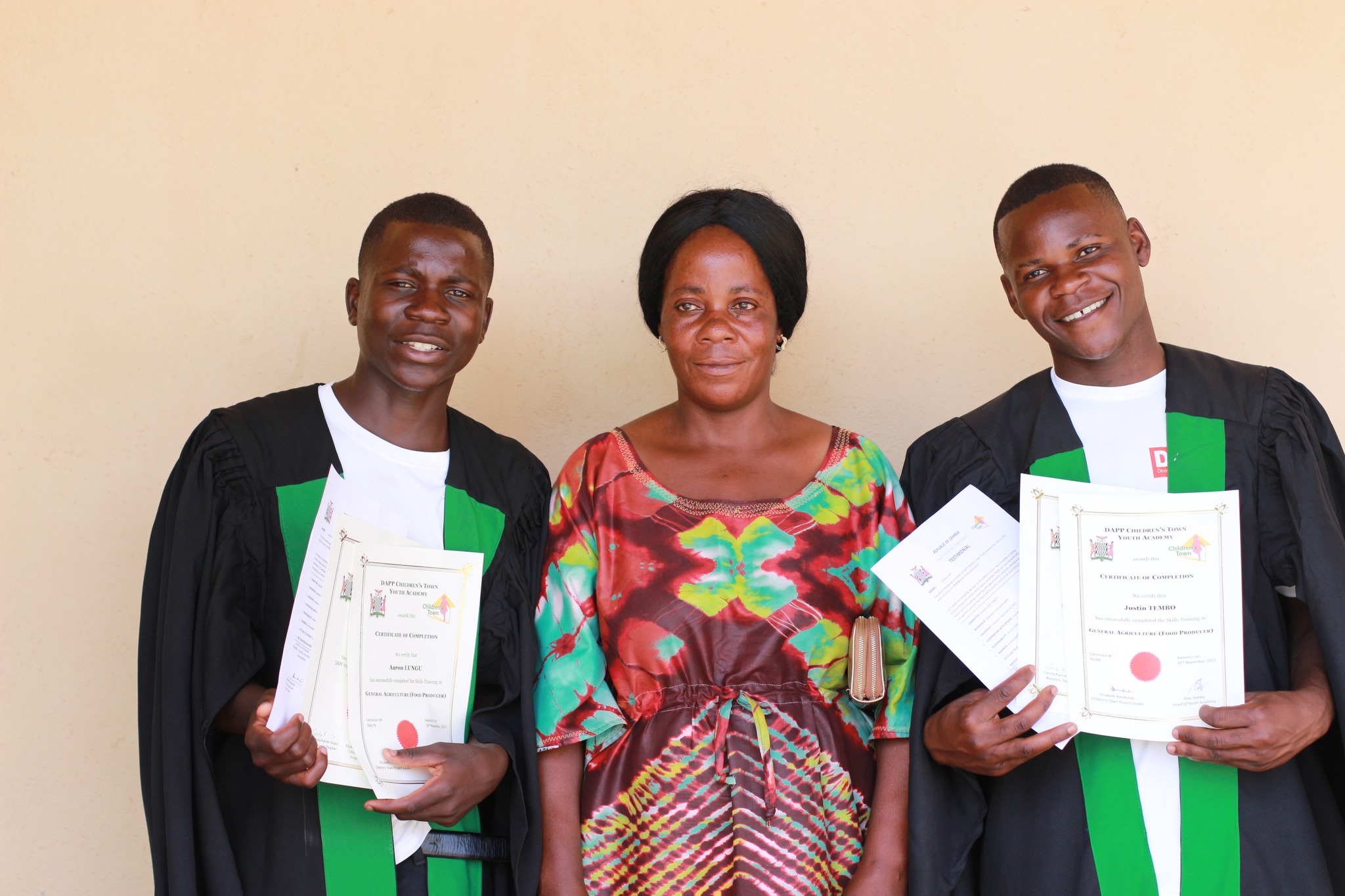
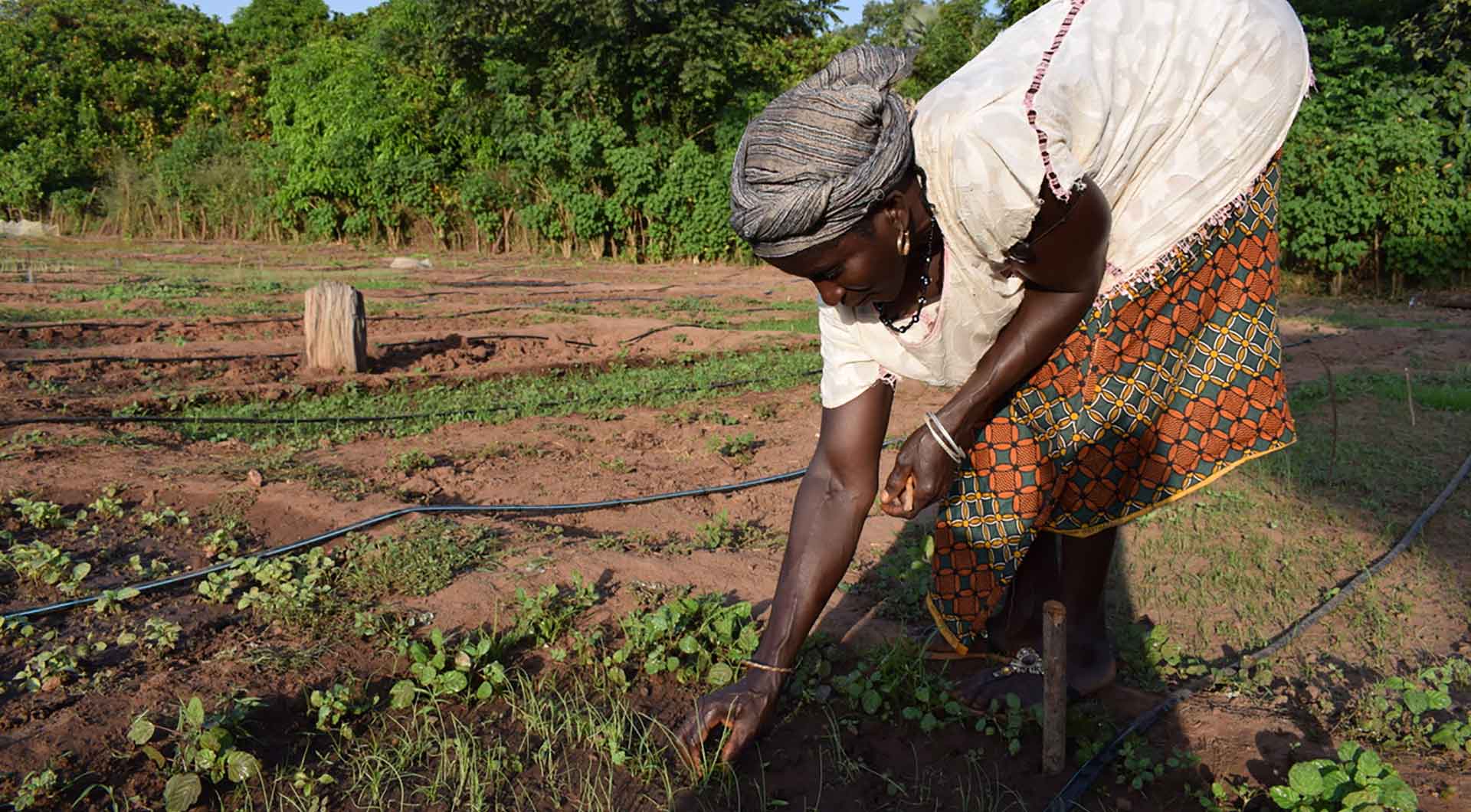
Formal TVET courses offered by the college are contributing to imparting essential skills to youth, the majority of whom come from disadvantaged families. Mikolongwe Vocational School currently offer 11 courses in Agriculture, Bricklaying, Carpentry and Joinery, Community Development, Financial Accounting, Textile and Fashion Design, Beauty and Hairdressing, Renewable Energy and Electrical Installation, Plumbing and Washing, Welding and Fabrication, and Cobbler and Shoe Making. To date, more than 23,000 youth have graduated from the school’s formal and informal TVET skills training programmes.
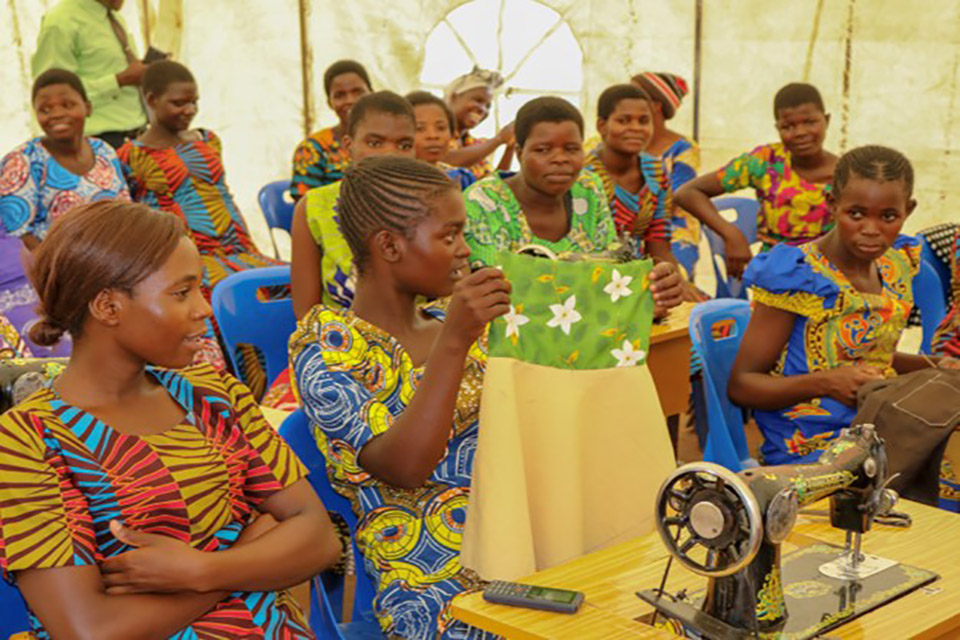
Mikolongwe Vocational School has over the years expanded its operations to reach out to more youth in hard-to-reach areas through a Mobile Training Centre that targets to train rural vulnerable. Mainly adolescent girls, teen mothers, child headed families and orphans, without formal education. The lessons are delivered using local languages. The objective is to equip them with skills which they can use to generate income for themselves and their families. The project is at the point of scaling up.
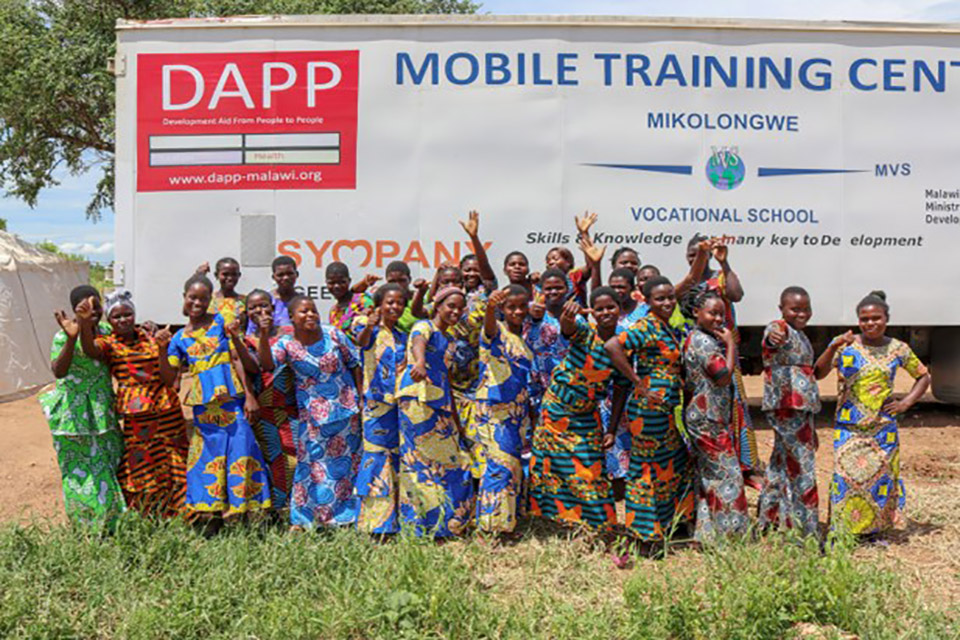
The prize won by one of our 29 members, is an endorsement of the efforts being made by Humana People to People in building capacity of youths to spur national productivity and sustainable development. Humana People to People runs 16 TVET schools thus, 8 in Angola, 2 in Mozambique, one each in; Guinea Bissau, Malawi, Namibia, Zambia and Zimbabwe.
About ASPIYEE
The African Skills Portal for Youth Employment and Entrepreneurship (ASPIYEE) is a continental knowledge platform hosting a wealth of good practices on Technical, Vocational Education and Training (TVET), skills development methodologies and approaches, and youth employment and entrepreneurship interventions.
ASPYEE forms part of the SIFA programme, which is implemented by the African Union Commission (AUC) and African Union Development Agency (AUDA-NEPAD). SIFA promotes strategies and processes aimed at enhancing youth skills development, decent employment, and self-employment.