Today, as we observe the International Day of the Girl, the global community is called to face an undeniable truth: girls are being forced into early marriage at an alarming rate, and slow progress pushes us to ask the question of what needs to be done for the millions of girls around the world who still live in conditions that limit their potential.
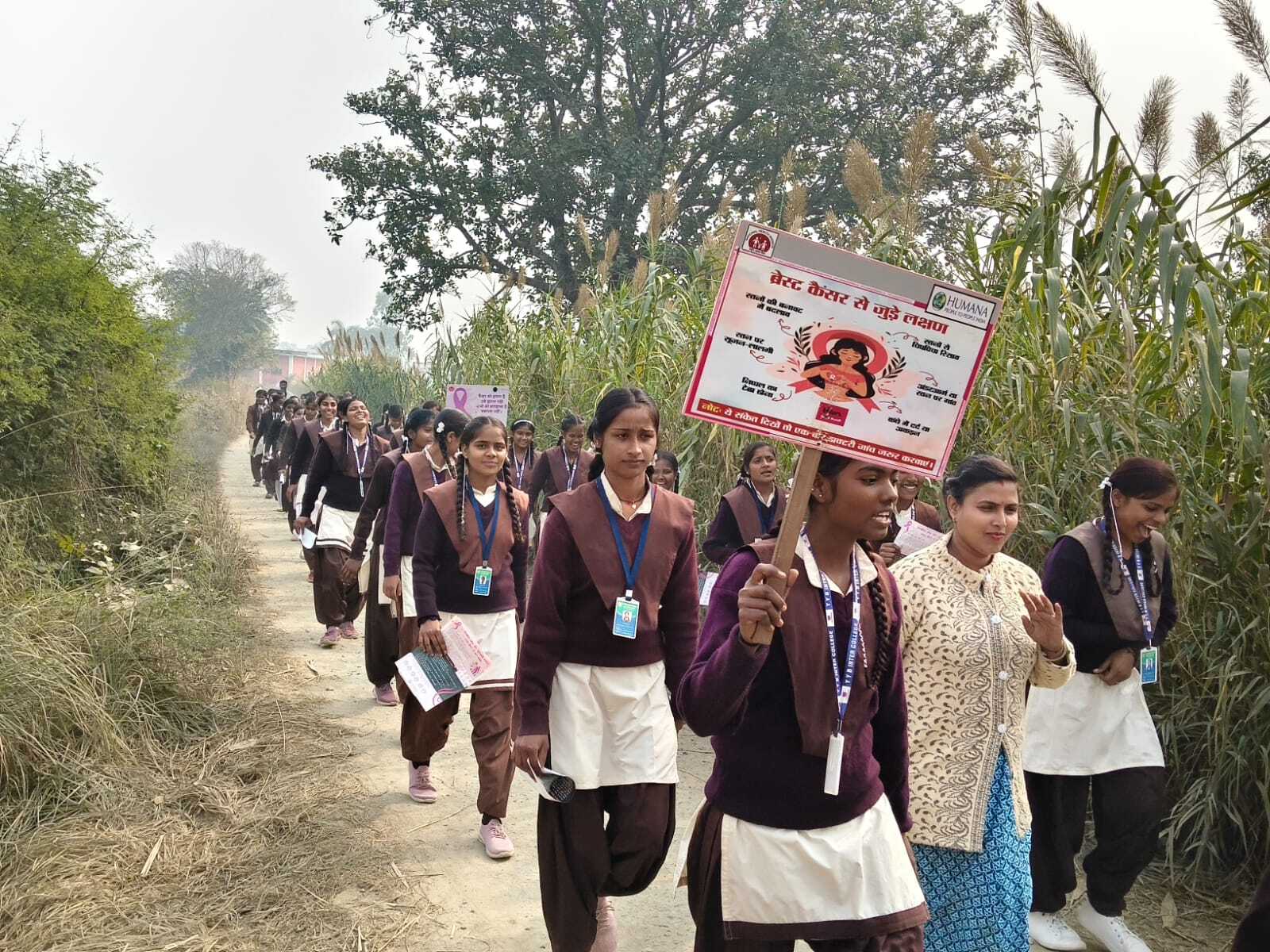
The United Nations states that over 12 million young girls are married annually worldwide (about one every three seconds), with the highest prevalence in sub-Saharan Africa at 31%. Global efforts emphasise that legal reforms, social protections, and keeping girls in school have already averted it. Education is greatest.
According to UNICEF’s 2026 estimates, an estimated one in five girls is married before age 18 across the world, representing approximately 650 million women and girls alive today who were married in childhood. This shows that child marriage remains one of the most widespread violations of girls’ rights, an indication of the challenges ahead.
There is no simple solution to ending child marriage. For a girl, it can mean exchanging a classroom for responsibilities she is not ready to carry, cutting short her education and narrowing her choices. Poverty, pressure to preserve family honour, unequal power between girls and men, and interpretations of religious doctrine that justify early marriage can all contribute. When families struggle to put food on the table, marriage may appear to offer security, but a girl’s future should never be the price of survival. Addressing these pressures requires communities to lead change, listen to girls, support families, and involve parents, traditional leaders, and religious leaders in honest dialogue that challenges harmful norms. Girls must have space to lead these discussions and help shape the decisions that affect their lives. Laws are essential, but lasting change also depends on communities turning shared commitments into everyday actions.
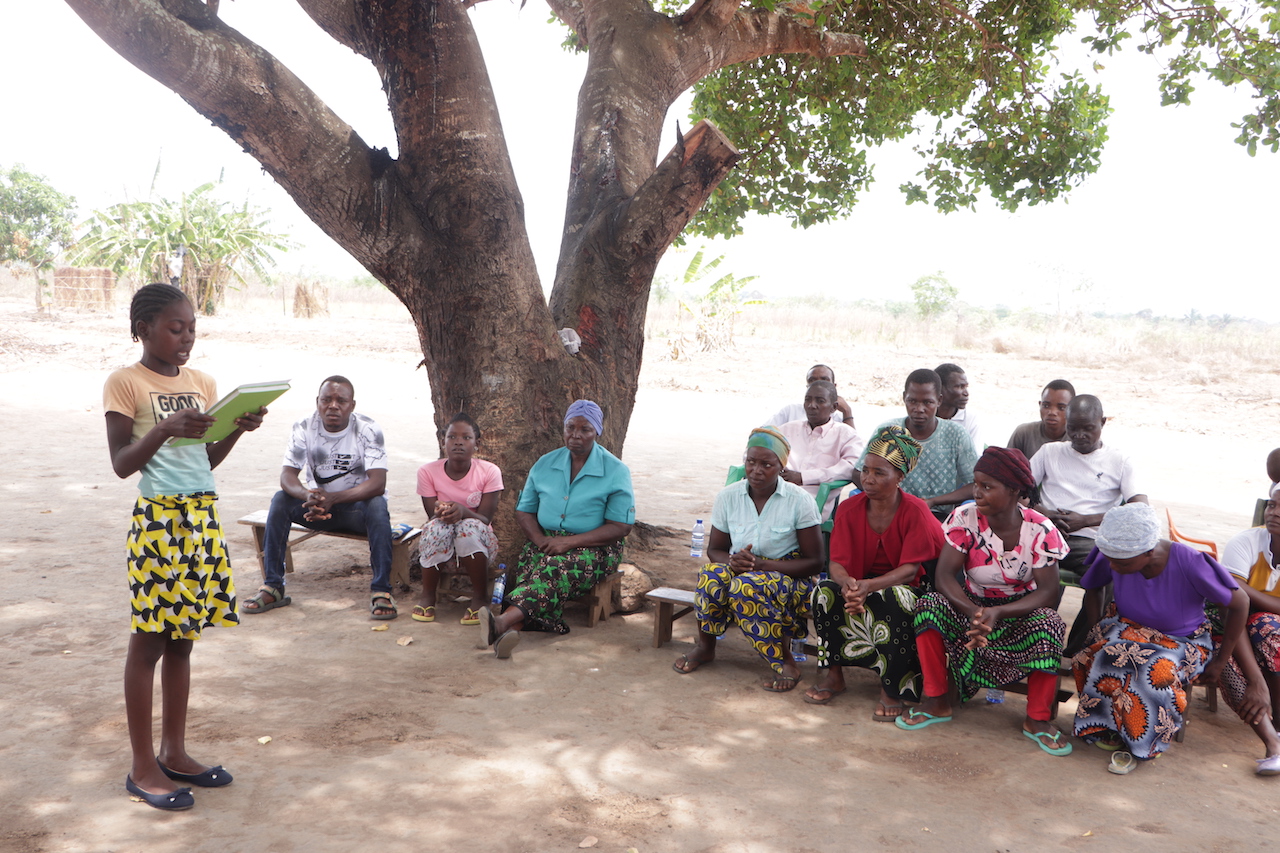
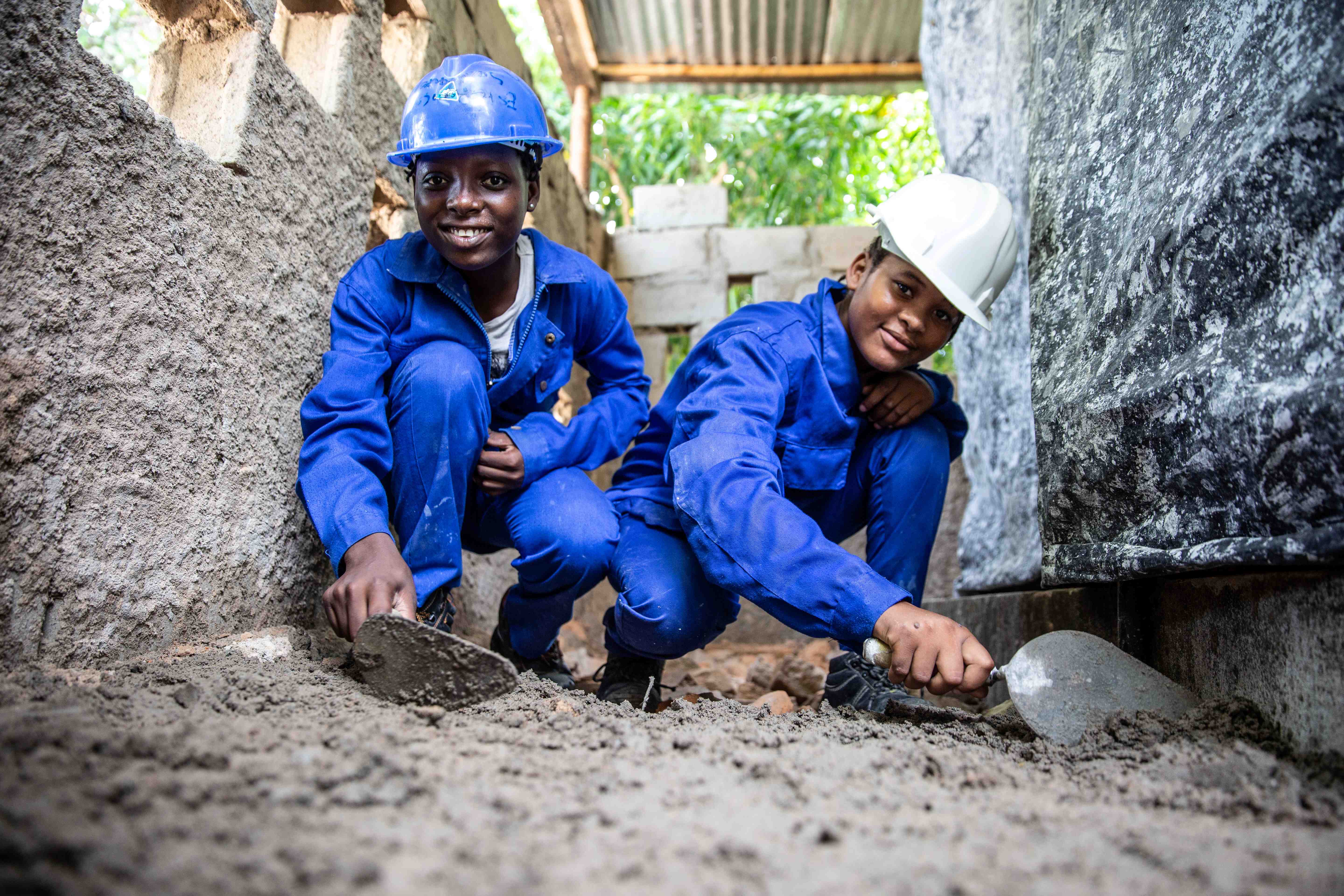
As Humana People to People, our programmes support girls to participate in decision-making, access resources, and contribute positively to their communities. Girls work hand in hand with men, boys, and local leaders to ensure inclusive development takes place in an enabling environment.
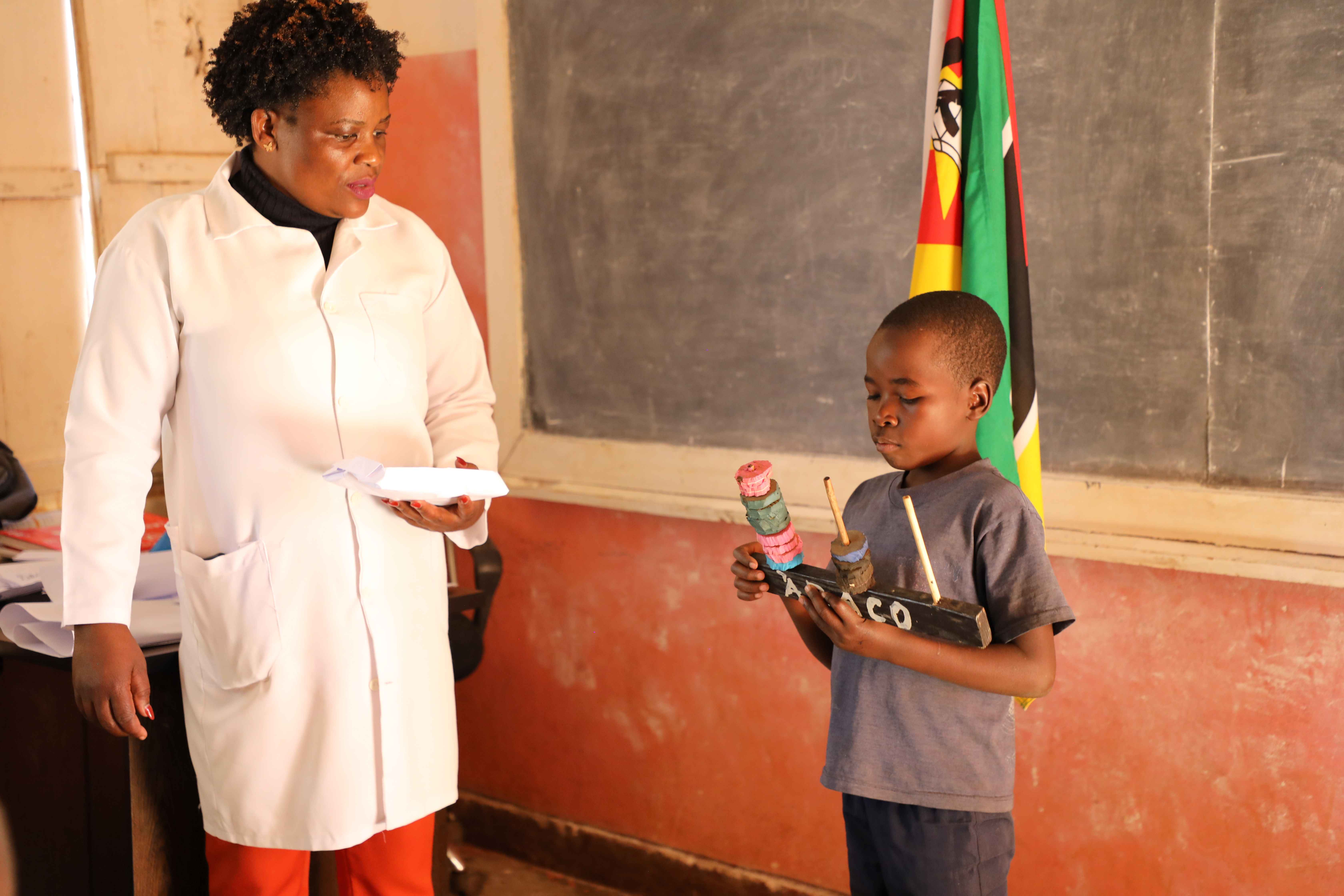
In Mozambique, gender inequality, violence, and economic exclusion continue to prevent many girls from realising their full potential and participating meaningfully in social, political, and economic life. In response, ADPP Mozambique, a member of Humana People to People, works directly at the community level, , engaging parents, community leaders, and groups of men and boys as advocates for gender equality. Through its Girls Get Equal project in Chiure District, Cabo Delgado Province, the organisation promotes respect, protection, and support for girls within their communities.
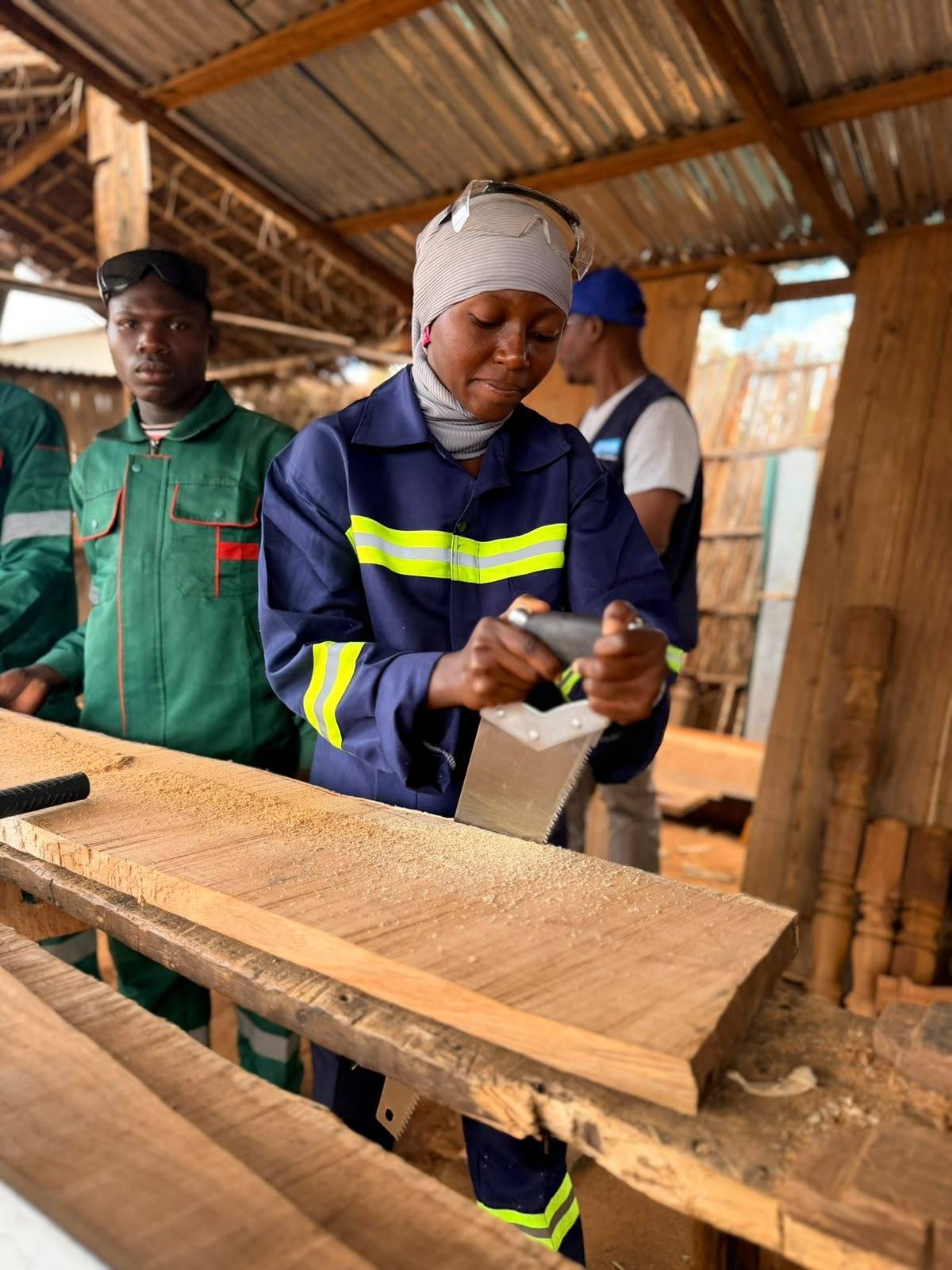
The project supports the economic and social uplifting of young people, especially young women, by promoting inclusion, strengthening resilience, and supporting livelihood recovery in areas affected by conflict and social, economic, and climate crises. Girls’ agency remains at the heart of the project, alongside efforts to encourage positive change across families, communities, and institutions. By engaging government ministries, parents, communities, and peers, the project creates space for the needs and voices of adolescents and youth, especially girls, to be heard and understood, while supporting them to make choices that create positive impact in their lives.
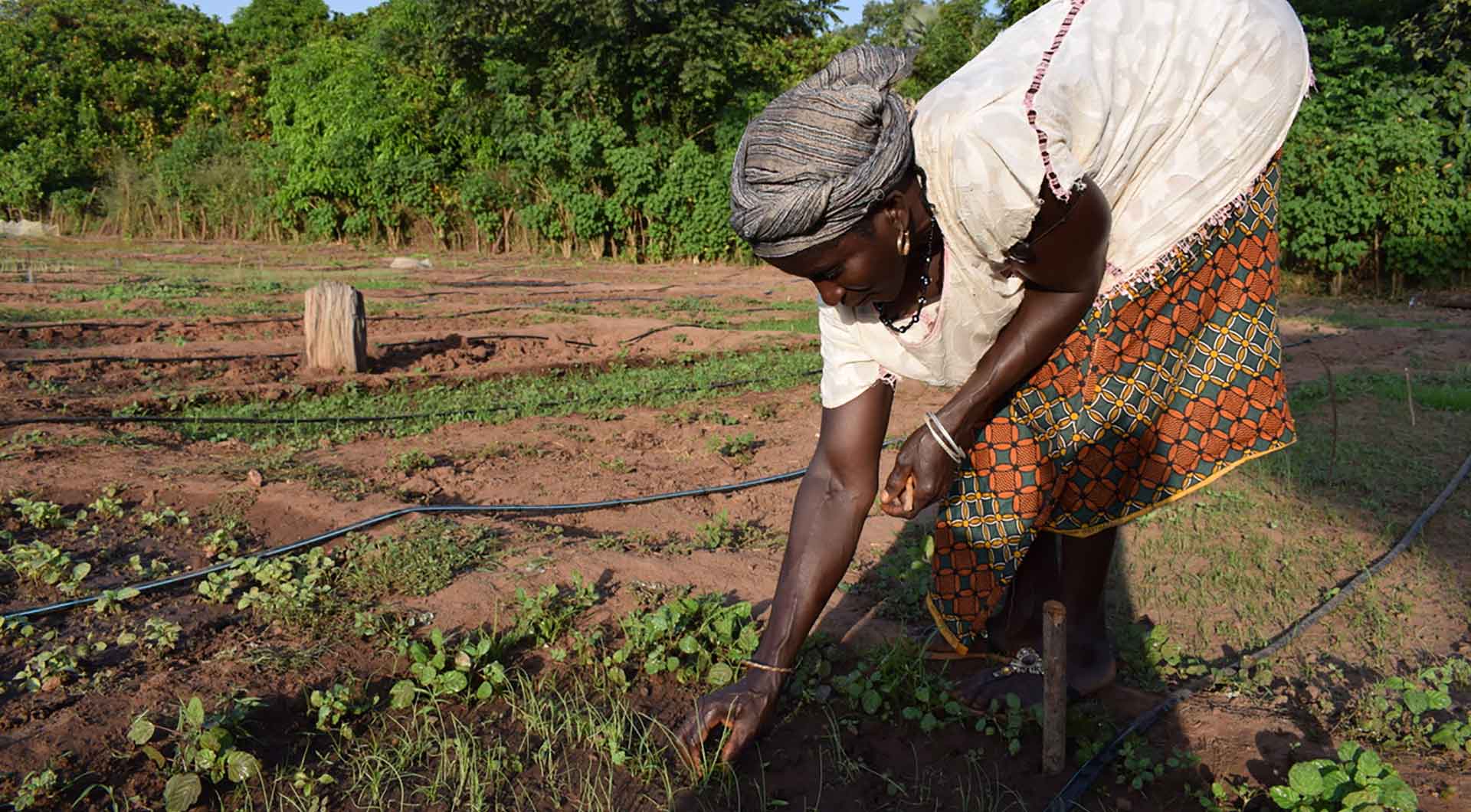
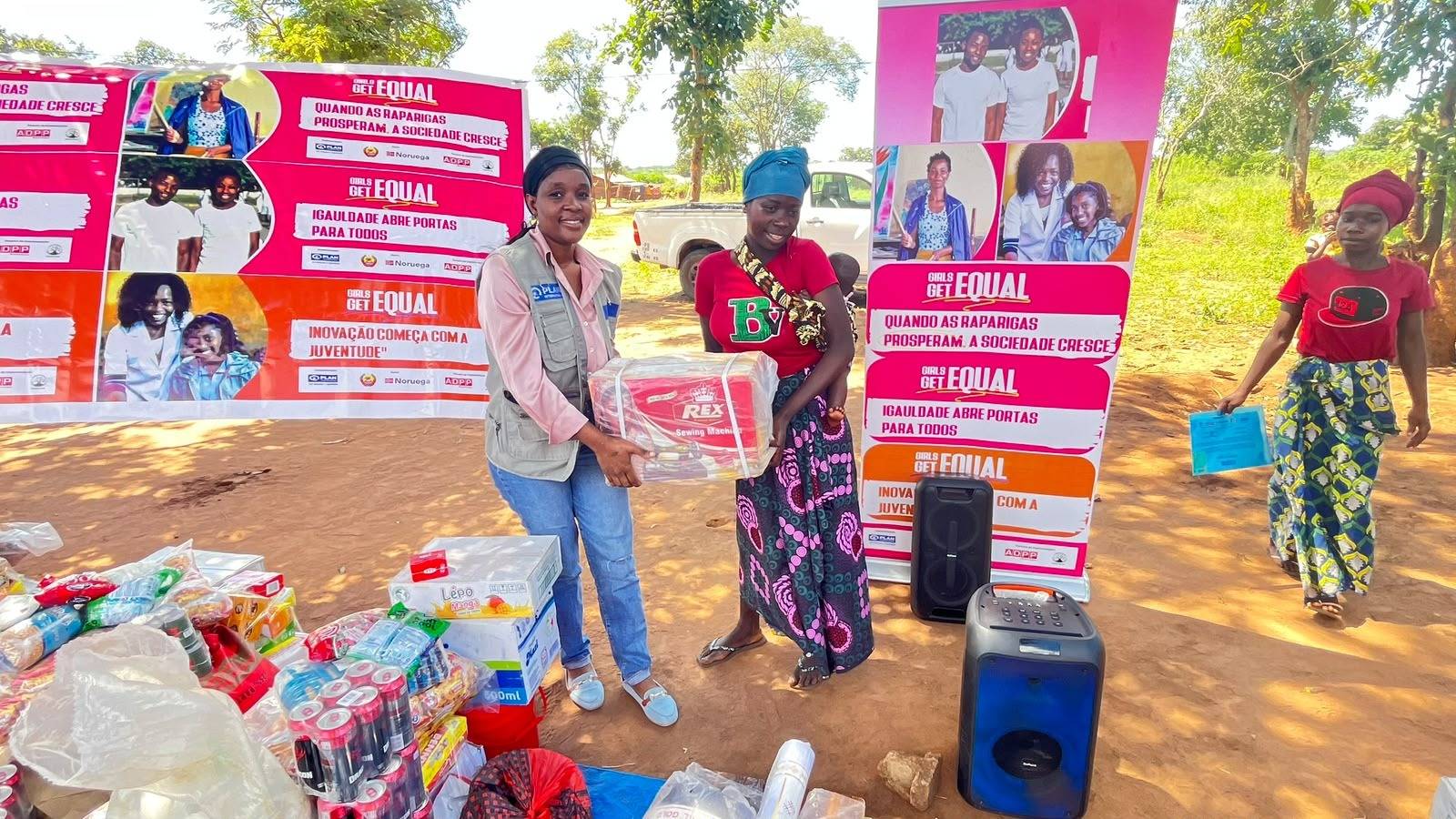
The project engages 2400 youth, with a specific target of 700 youth to be trained in 2026 as part of the five-year goal (at least 40% women) and supports them with tailored activities, including: short-term courses, 700 households in entrepreneurship, 350 in climate-smart agriculture and 160 youth start-up support, including seed capital, toolkits, and continuous mentorship to carry out their business plans.
“Before, I stayed at home without knowing how to change my life. Through the Girls Get Equal Project, I gained entrepreneurship and financial skills that gave me confidence to build my future. Together with three young women, I started a beauty salon. Today, our business generates income, supports our families and allows us to save towards owning land for a permanent salon. I am grateful for this opportunity. My dream is to grow our business, reach other communities and inspire more young women to believe in themselves.”
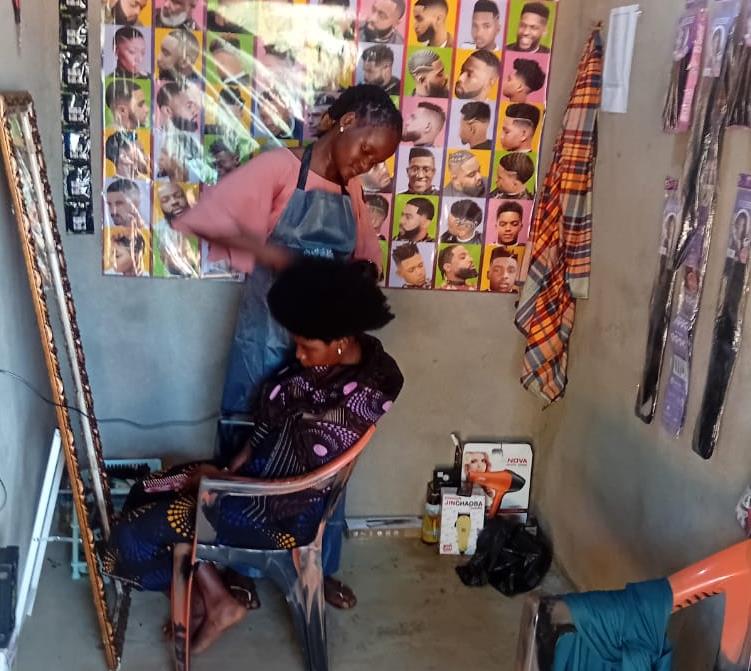
Naira's story demonstrates how training, teamwork, and access to opportunities can transform young people’s lives by strengthening their economic independence and creating hope for a better future.
As we celebrate this progress, we must remember that changing long-standing cultural practices is challenging, but that should not stop the global community from fighting the societal pressures that drive early marriage.
Humana People to People, together with its members, values investing in girls. Together with communities, governments, and partners, we continue to create inclusive societies where girls can thrive, lead, and contribute positively as equal members, not as lesser beings.