For many student teachers, teaching practice is where learning becomes action to discover that teaching is not only the delivery of class lessons, but also about understanding learners' lives, working with communities, and finding solutions together.
“I am a second-year student teacher at DAPP Mkushi College of Education, currently on teaching practice at DAPP Children’s Town School. In addition to teaching Grade 2, I work with DAPP Young Farmers’ Clubs and community members. This experience has shown me that teaching goes beyond the classroom and involves helping children and communities succeed,” said Wanzi.
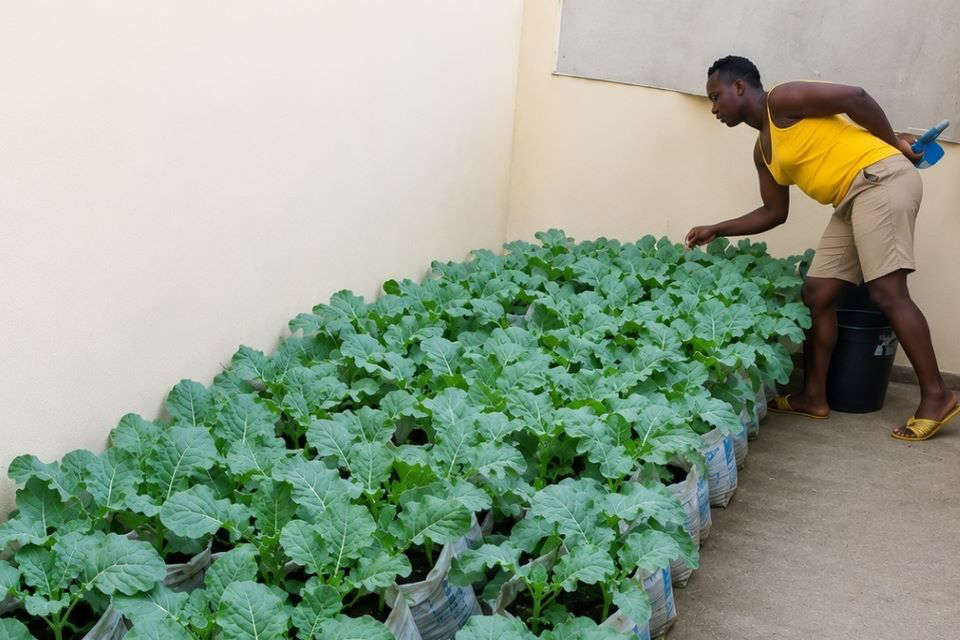
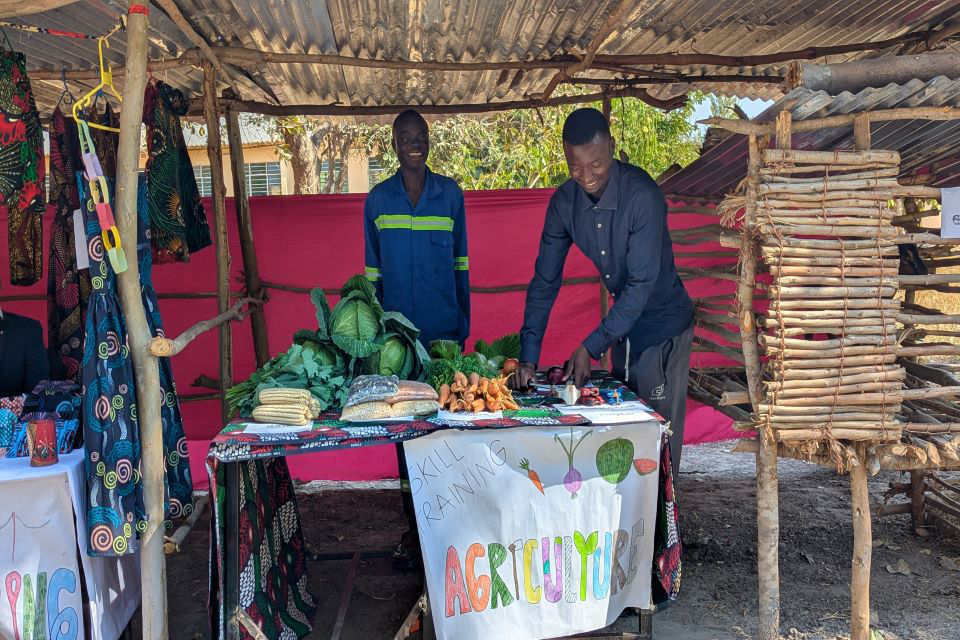
Together with DAPP Youth Academy Agriculture students, Wanzi Kazembe and Caphas Kamocha have established a tree nursery by planting 60 orange seeds, 29 mango seeds, 50 pawpaw seeds and 20 indigenous tree seeds. They also trained students in fruit tree grafting, organic gardening, broiler production, pig management and the construction of firewood-saving stoves. Working alongside the students, they expanded the school's organic garden.
“My learners learnt to read. One of the biggest lessons from my teaching practice was that a teacher’s work goes beyond the classroom. Through Farmers’ Clubs, we shared knowledge with small-scale farmers on various agricultural practices. This experience showed me the importance of working with families and communities to support education and improve livelihoods,” said Caphas.
In addition to classroom teaching and community work, the two student teachers support the school's ICT department by assisting with printing documents, repairing printers and computers and facilitating a Microsoft Publisher lesson for members of staff.
“Reflecting on the experience, the lessons I learnt at college became real during teaching practice. At college, we learnt that a teacher works with the community, not only with learners. Here at DAPP Children's Town, we have experienced what that really means. Whether we are teaching in class, working in the garden, visiting farmers, or supporting activities around the school, every activity contributes to children's learning and community development,” Wanzi added.