25 November – 10 December 2026 | 16 Days of Activism against Gender-Based Violence
Today, on the International Day for the Elimination of Violence Against Women and Girls, Humana People to People stands united with the global community as we begin the 16 Days of Activism against Gender-Based Violence (GBV). We renew our commitment to addressing violence against women and girls.
This year’s theme, “UNiTE to End Violence Against Women and Girls: Ensure justice, protect survivors, end impunity,” reminds us that, despite progress, violence against women and girls remains a devastating reality for millions around the world. We must confront it with the urgency it demands.
“Nearly one in three women globally have experienced partner or sexual violence in their lifetime. In the past 12 months alone, 316 million women experienced physical or sexual violence by an intimate partner,” says the UN Women Gender Snapshot 2026
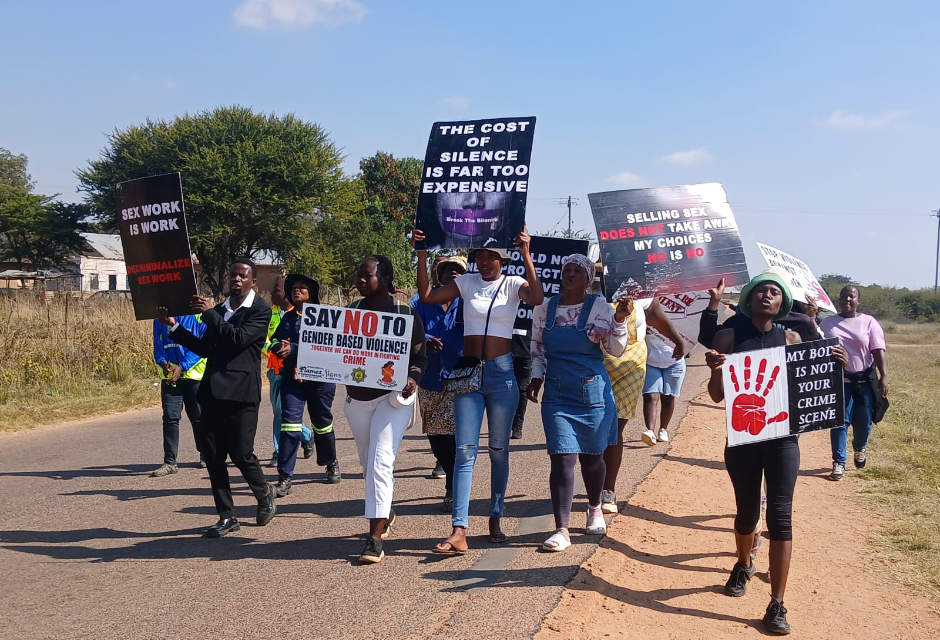
The cost of GBV goes beyond individual survivors. It destabilises families, breaks communities and undermines the social and economic foundations of our societies. Yet violence can be prevented. Prevention begins within communities. It requires people to trust one another, believe in justice, have courageous conversations and involve boys and men in taking the lead in ending the drivers of GBV at the family and community level. It means creating communities where girls can walk safely to school, grow and pursue their dreams; women can return home after conflict; the girl child is protected from early marriage; and family disputes do not result in women being killed through acts of violence.
We must strengthen legal protection, starting in our homes and communities. Effective community protection committees, engagement with decision-makers and increased access to sexual and reproductive health services, including open family planning discussions between husband and wife, safe motherhood and HIV prevention, are also important in the fight against GBV.
At Humana People to People, we believe that awareness alone cannot prevent violence against women and girls. Through our programmes, we challenge deeply rooted harmful beliefs about gender equality and encourage healthy, non-violent family and community relationships so that people can recognise violence and respond safely.
We integrate development, peacebuilding and human rights into our work to help stop violence before it begins. Our long-term presence in the communities where we work helps build a culture where violence is not excused, survivors are supported, and perpetrators are held accountable. We work with local authorities and communities in a people-to-people way. For us, gender-based violence activism does not end after 16 days. It is part of what we do every day. Through our members, we continue to strengthen collective efforts and find solutions that reduce GBV.
In Malawi, DAPP Malawi, a member of Humana People to People, is working with the Global Fund through World Vision Malawi to prevent HIV and GBV among adolescent girls and young women (AGYW) in the Balaka and Chikwawa districts.
Through 720 community AGYW clubs led by 240 peer educators, the project enrolled more than 35,000 young women between January and June 2026. The clubs provide them with health information, peer support, and links to essential health and justice services.
Community action is making a difference:
More than 600 Community Action Group and Community Victim Support Unit members were trained to identify and respond to GBV.
- 77 GBV cases were identified between January and June 2026.
- By the end of June, 77% of these cases were completed, reaching 94% in Chikwawa.
Some cases can’t be resolved by protection services alone. In Balaka, some girls who want to return to school are still out of class because their families can’t afford uniforms and learning materials. The project’s next step is to connect these girls with support from communities, schools and social welfare so they can go back. Keeping a girl in school is one of the strongest protections against both HIV and violence.
Peer educators, Community Action Groups, Community Victim Support Units, police, social welfare and the courts are working together, and more young women are gaining the confidence to report violence and seek support. Preventing violence against women and girls requires strong communities and accessible support systems.
Ending violence against women and girls is not a short-term undertaking. Its effects can last a lifetime, and preventing Gender-Based Violence requires coordinated and sustained efforts from all of us. A world without violence is not only possible; it is fundamental for sustainable development to thrive.
Read more in the Humana People to People Gender Capacity Statement.