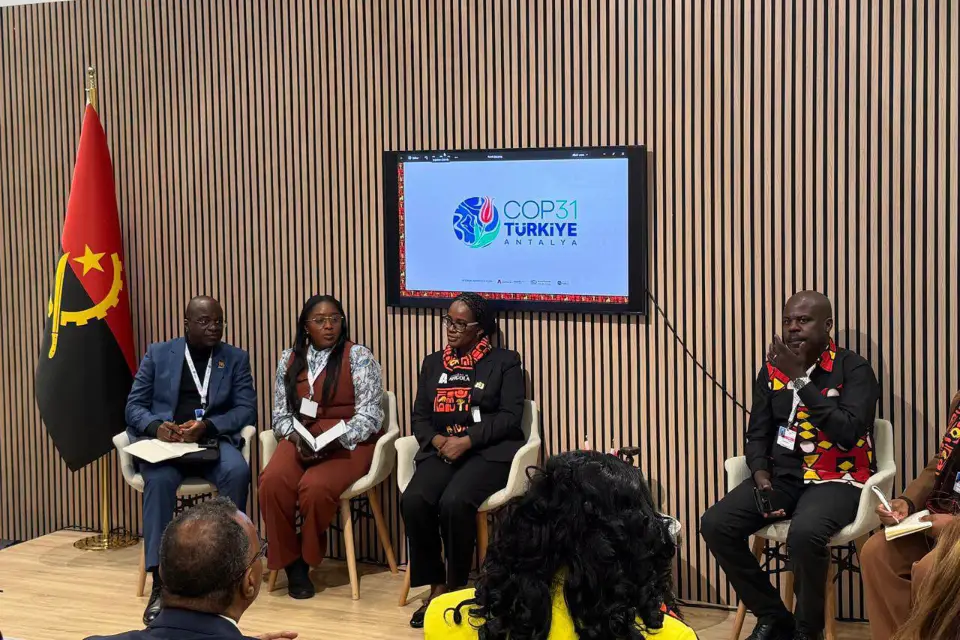
Africa must be recognised not simply as a continent experiencing the impacts of climate change, but as an active partner in shaping its response. This was the central message from Alfred Besa of Humana People to People in an interview on Channel Africa's Africa Rise & Shine, highlighting the importance of locally led adaptation at COP31.
Alfred Besa called for international climate finance commitments to translate into tangible resources for communities on the frontline of climate change. He urged the Global North to honour its financial promises while recognising Africa's contribution through renewable energy, decarbonisation, and locally led initiatives.
For Humana People to People, building resilience starts with people. Communities need the resources, knowledge and decision-making power to address local climate change.
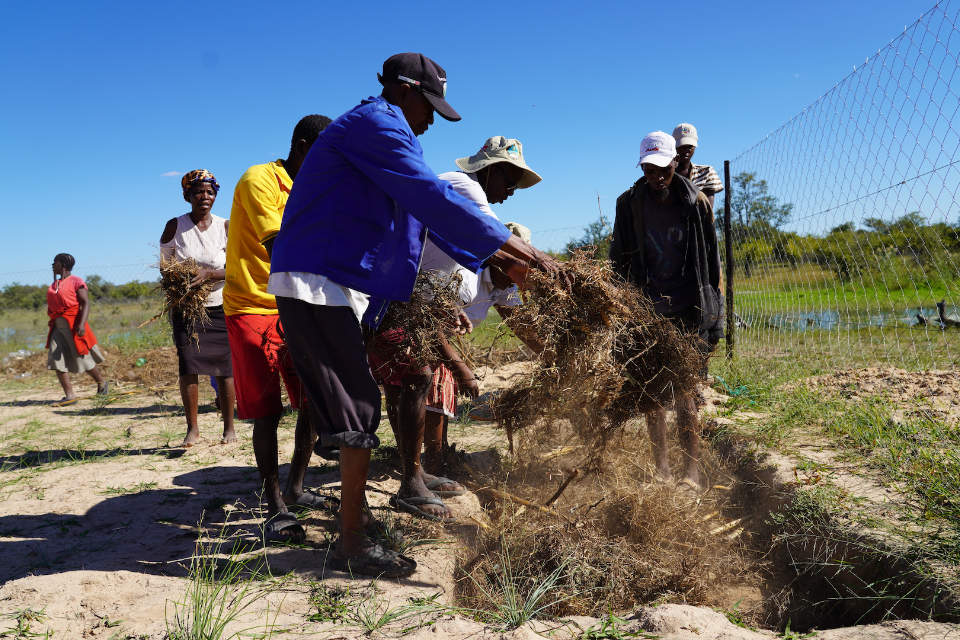
Alfred Besa highlighted the ADSWAC project, operating across Namibia and Angola in the Kavango River Basin, as an example of this approach. The project supports food security, household resilience and sustainable livelihoods by supporting families to grow their own food and adopt climate-conscious agricultural practices.
The interview also explored the role of appropriate technologies, including solar-powered irrigation, improved water management and artificial intelligence in crop monitoring, in supporting farmers and strengthening rural economies. The shared Kavango River Basin further demonstrates why cooperation between Namibia and Angola is essential to protecting water resources and sustaining livelihoods across borders.
African communities are not simply beneficiaries of development assistance. They are partners with the knowledge, experience and capacity to lead change.
Through its work in Southern Africa, Humana People to People demonstrates the value of investing in people and supporting locally driven initiatives that deliver lasting results.
Africa is ready to lead, and COP31 must help turn commitments into action.
Read and listen to the full interview: Channel Africa - Alfred Besa and ADSWAC